By Ahmad Yassir, Vermont Country Magazine.
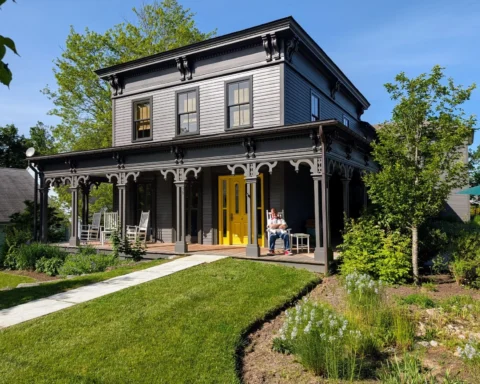
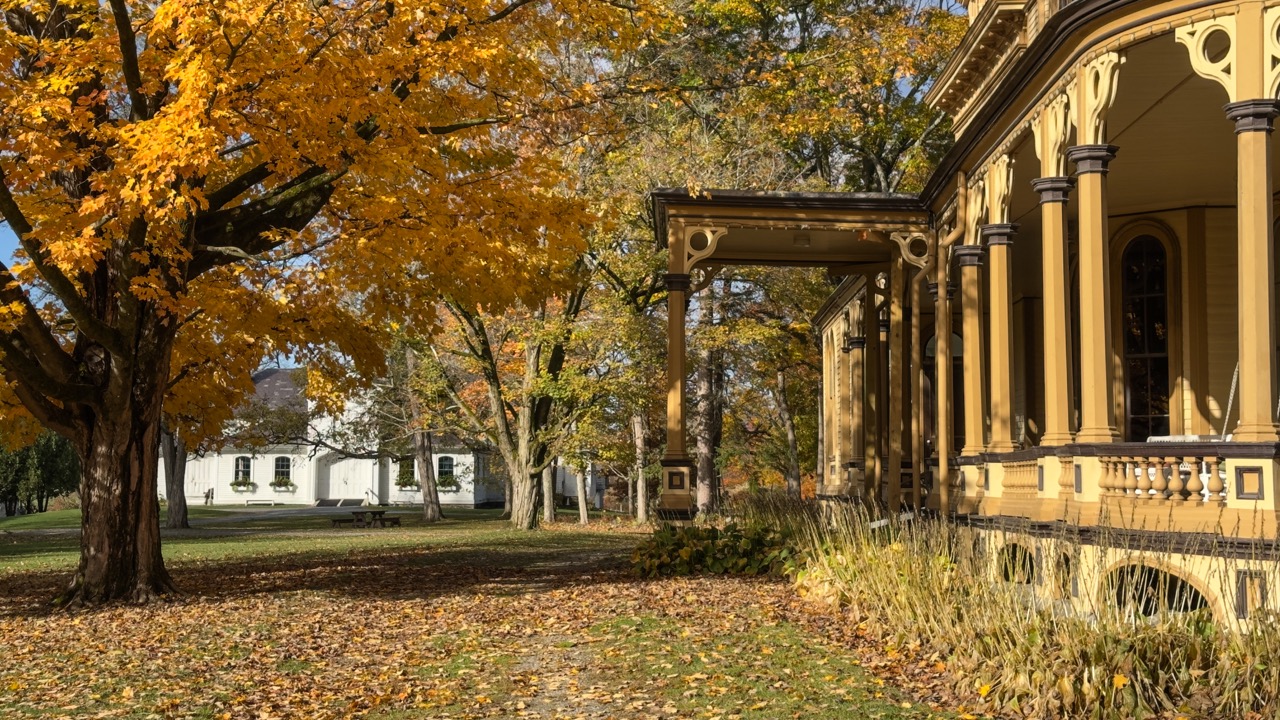
While the French Second Empire mansion with Italianate influences draws eyes toward its elegant mansard roof and wrap-around-porch, the surrounding park-like grounds with 100 plus year old trees providing shade epitomize the Park-McCullough House in North Bennington, Vermont.
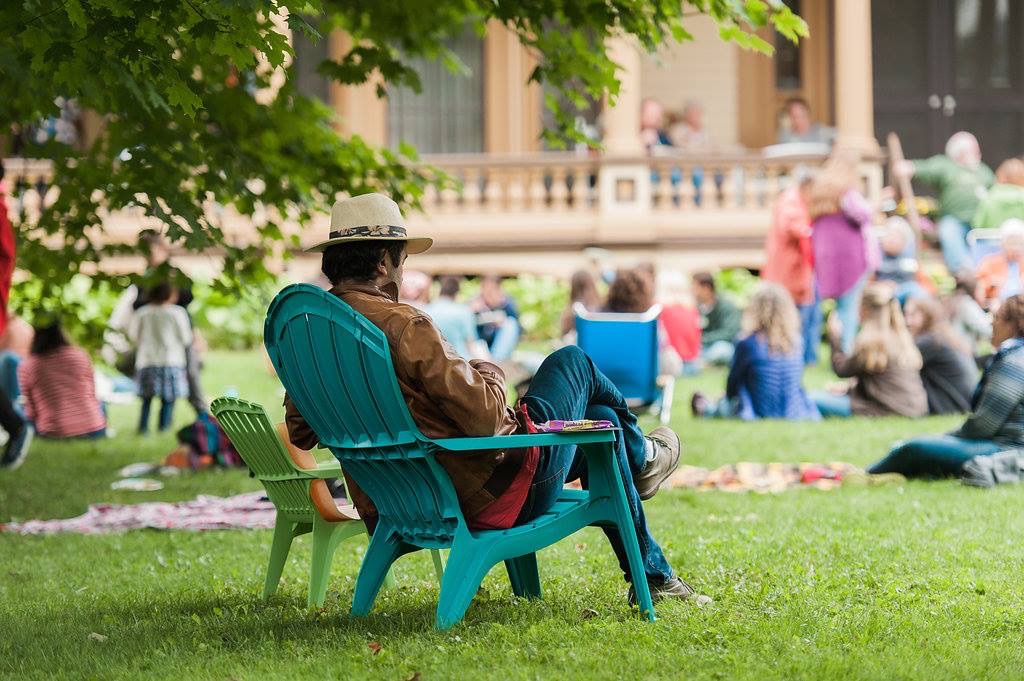
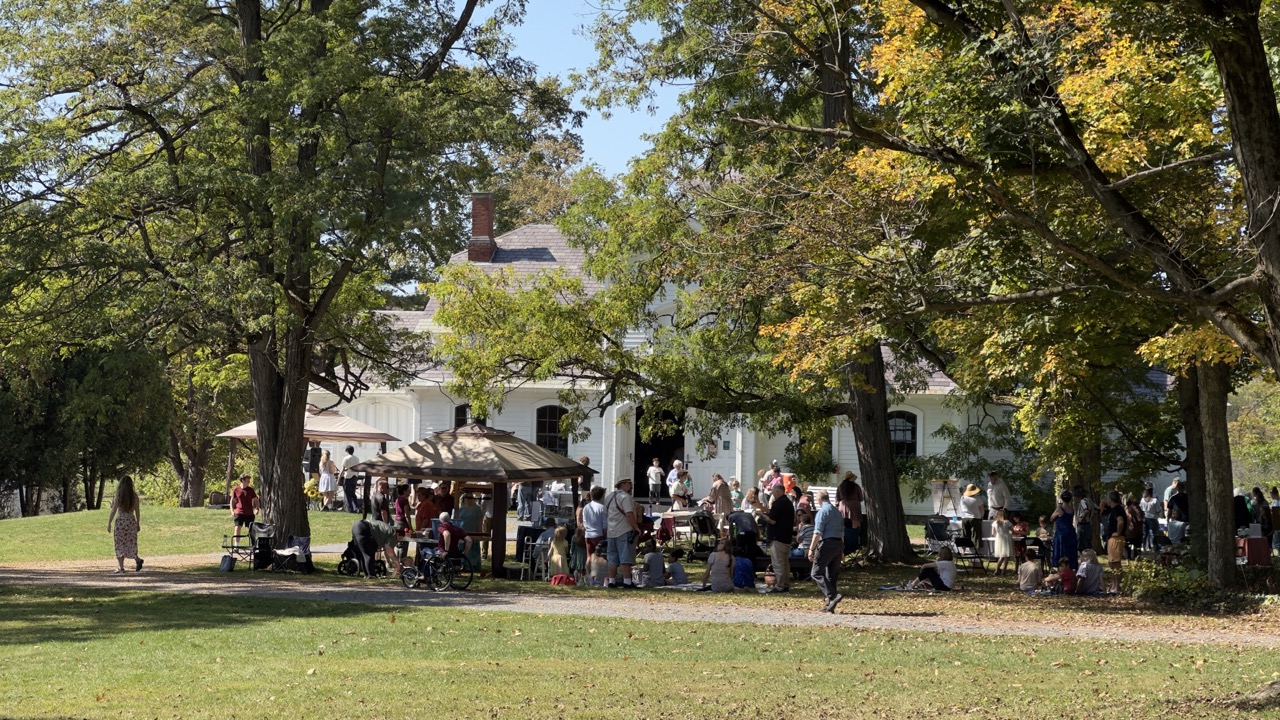
“It’s a place where people go every day for their morning walks, or their picnics, or to hang out with neighbors, or to play croquet, and it’s also a museum and historic site,” said Mike Rice, Director of Philanthropy at Park-McCullough.
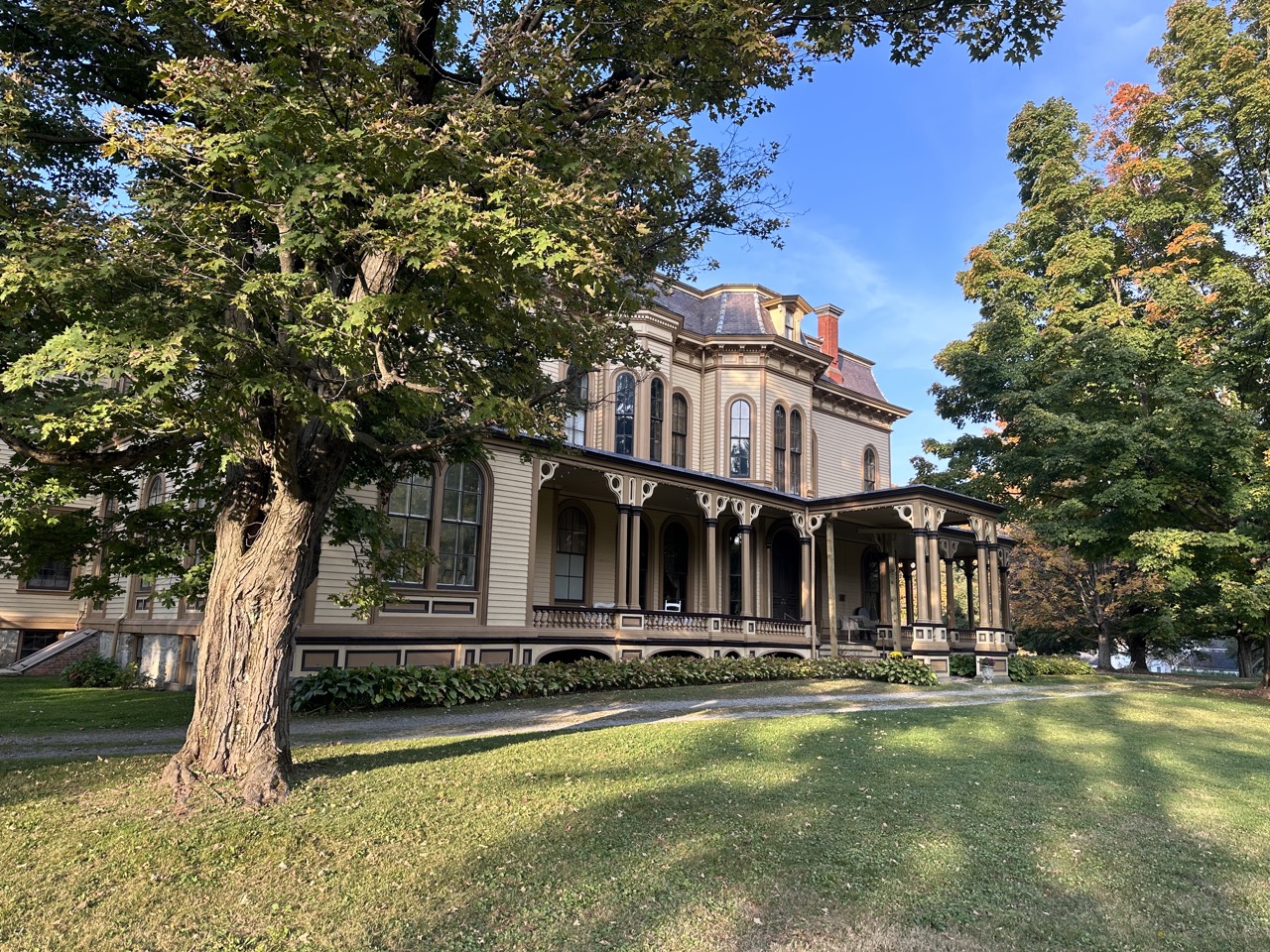
The Park-McCullough House is a community asset North Bennington residents enjoy sharing with families traveling through Southern Vermont, friends day tripping from across the border, or Vermonters looking for something to do.
Visitors of all ages and interests find an activity to enjoy – a history lesson marked with stories of a wealthy American family, a comfortable rest on the “Front Porch for the Community,” a stroll around the grounds, or a walk through woods and farm fields.
The 1865 mansion, listed on the National Register of Historic Places, is the most prominent feature on the property, but the motivation behind its construction – family – is the most endearing.
In the early 1850s, Laura Hall, a North Bennington native and daughter of Vermont’s 25th governor, Hiland Hall, moved to California with her husband, Trenor Park, a lawyer and entrepreneur. The move came at the request of Hall, then serving as a U.S. Land Commissioner, who enlisted Park to help settle land disputes in the rapidly growing state. While there, Park made a fortune through a series of successful business investments.
After many years away from Vermont and many letters exchanged to and from family members who were still living in the east (the couple had 14 siblings between them), Laura and Trenor decided it was time to move back to North Bennington to be closer to family.
And while family was the motivation behind the Park-McCullough House, community is the reason the property still exists.
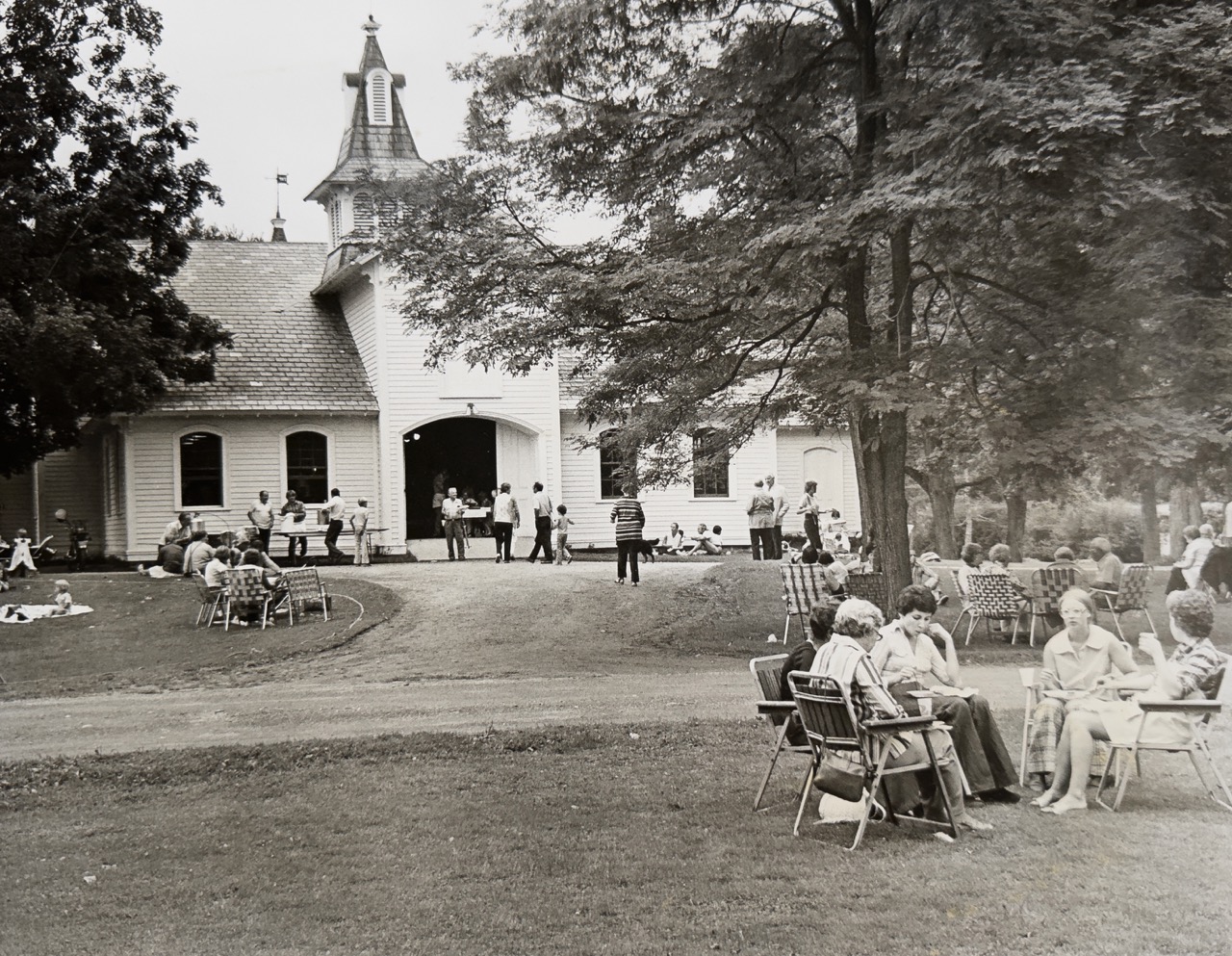
Today, the 35-room mansion, carriage house, gardens, and grounds – originally Hall Farm property that was purchased from Laura’s father – are cared for by the Park-McCullough House Association, Inc., a local nonprofit formed in 1969 when the family could no longer care for the extensive property.
To celebrate 160 years of history, family, and community support, the nonprofit has waived admission to the house during the 2026 season. The Free Admissions Initiative is generously supported by Bank of Bennington, Four Corner Properties, and the Joseph J. Costa Charitable Trust.
“There’s the pressure to come up with a plan where we’re stewarding the property successfully into the future without having family benefactors or an established endowment,” Rice said, referring to how the Free Admissions Initiative came to fruition. “By getting new eyes on the place, or by bringing in people who haven’t visited in a while, hopefully we will remind people that community institutions need support.”
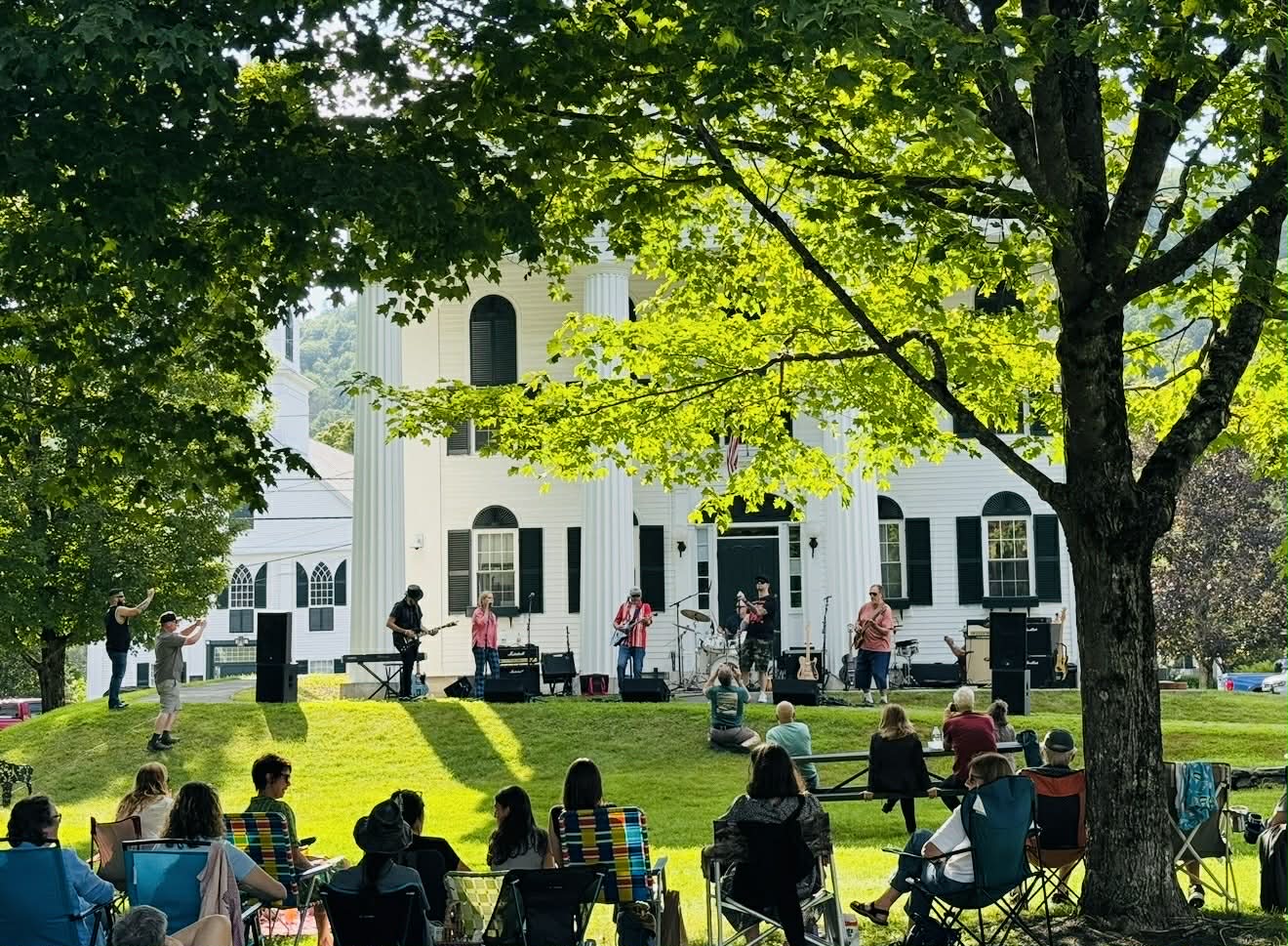
From dawn until dusk, folks can be found sitting in wicker chairs on the wrap-around porch chatting with friends and neighbors, or wandering the manicured garden filled with blooms and scents of the season, or seeking refuge in the shade from a scorching sun.
It’s not hard to imagine the Park-McCullough clan doing the same throughout their 100-year stint at the house – Laura Park in a day dress with a cage crinoline under her skirt sitting on the porch next to Trenor Park in a wide, loosely-cut suit as their children play in the life-sized, miniature version of the mansion playhouse that once served as the bull mastiff’s doghouse.
As if the gardens themselves were not relaxing enough, Trenor Park sought an even deeper sense of peace by creating The Mile Around Woods trail, a looping walk that begins behind the gardens and winds through farmland and forest (leashed dogs welcome). Local lore holds that Park personally cut the trail as a meditative retreat after the intense pressures of his work in Gold Rush-era California.
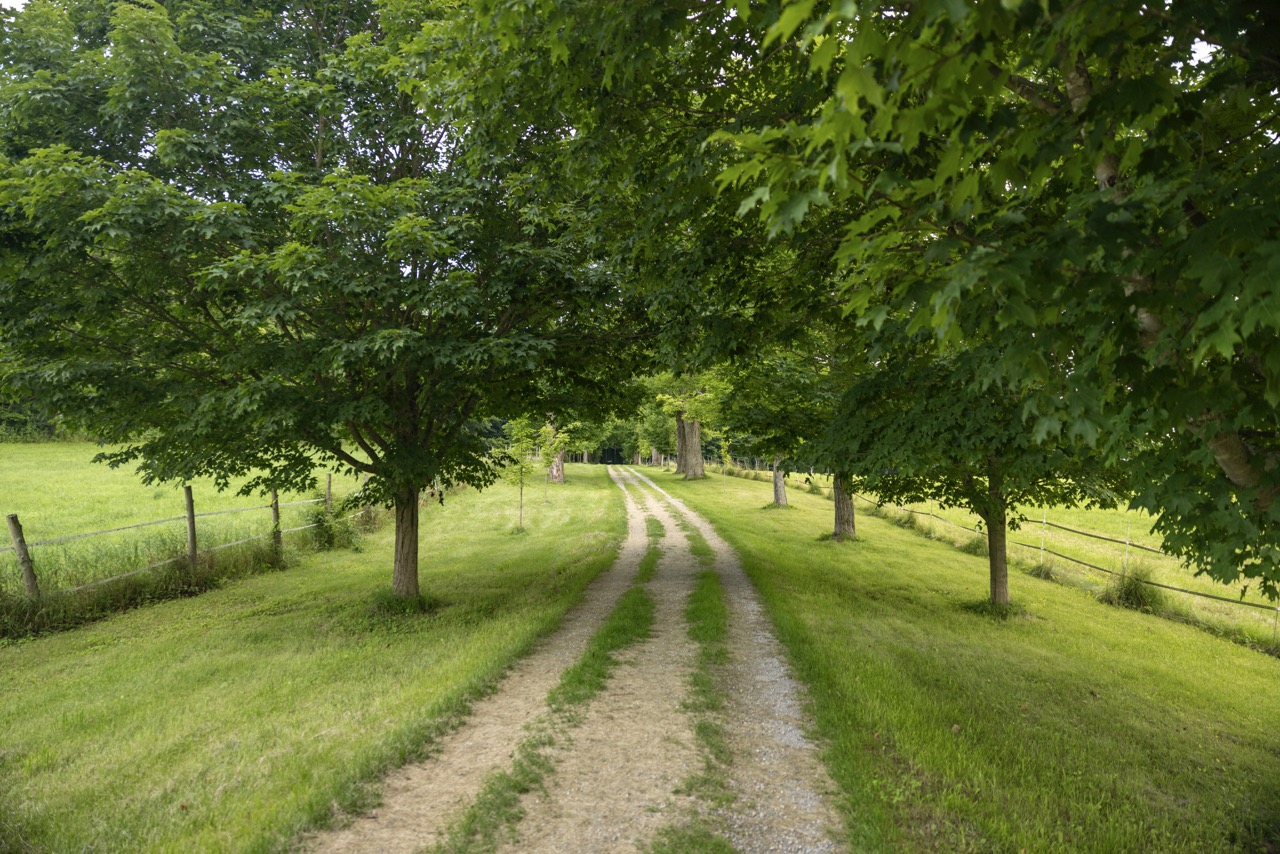
Thanks to the Fund for North Bennington, Trenor’s mile long walk can turn into a hike by taking any of the pathways that jut out from the loop, adding an additional nine miles of trails.
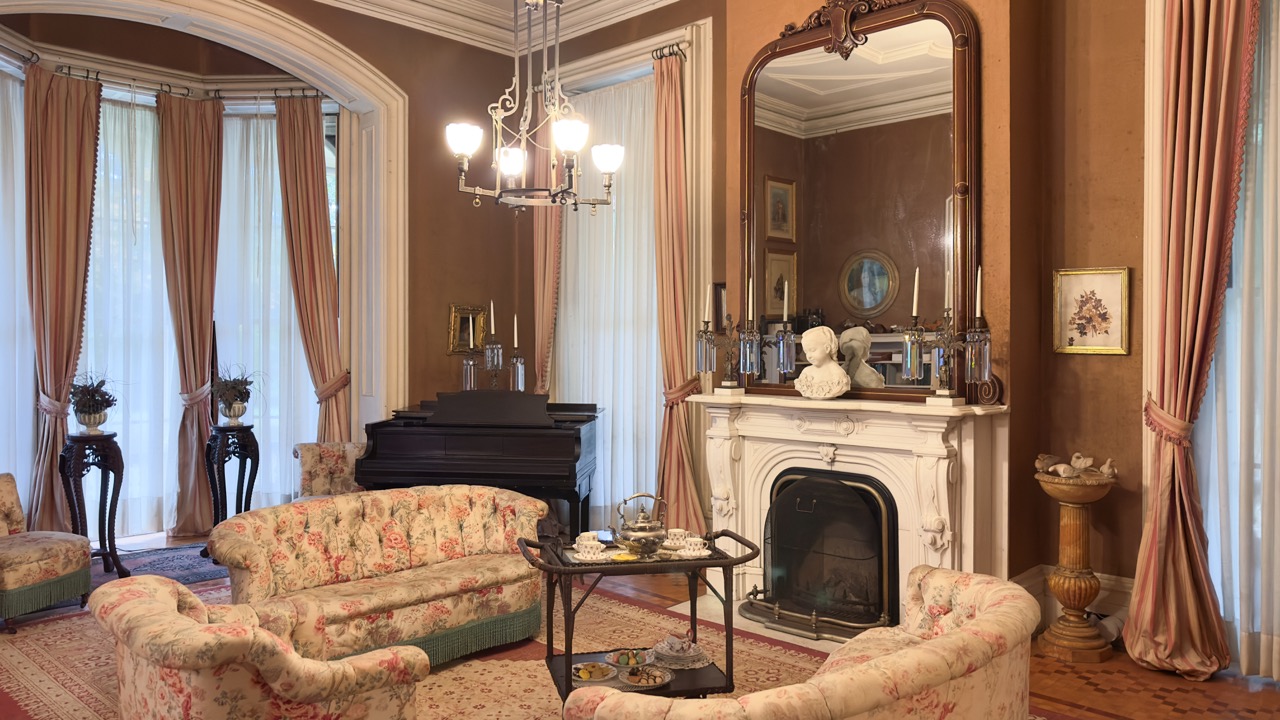
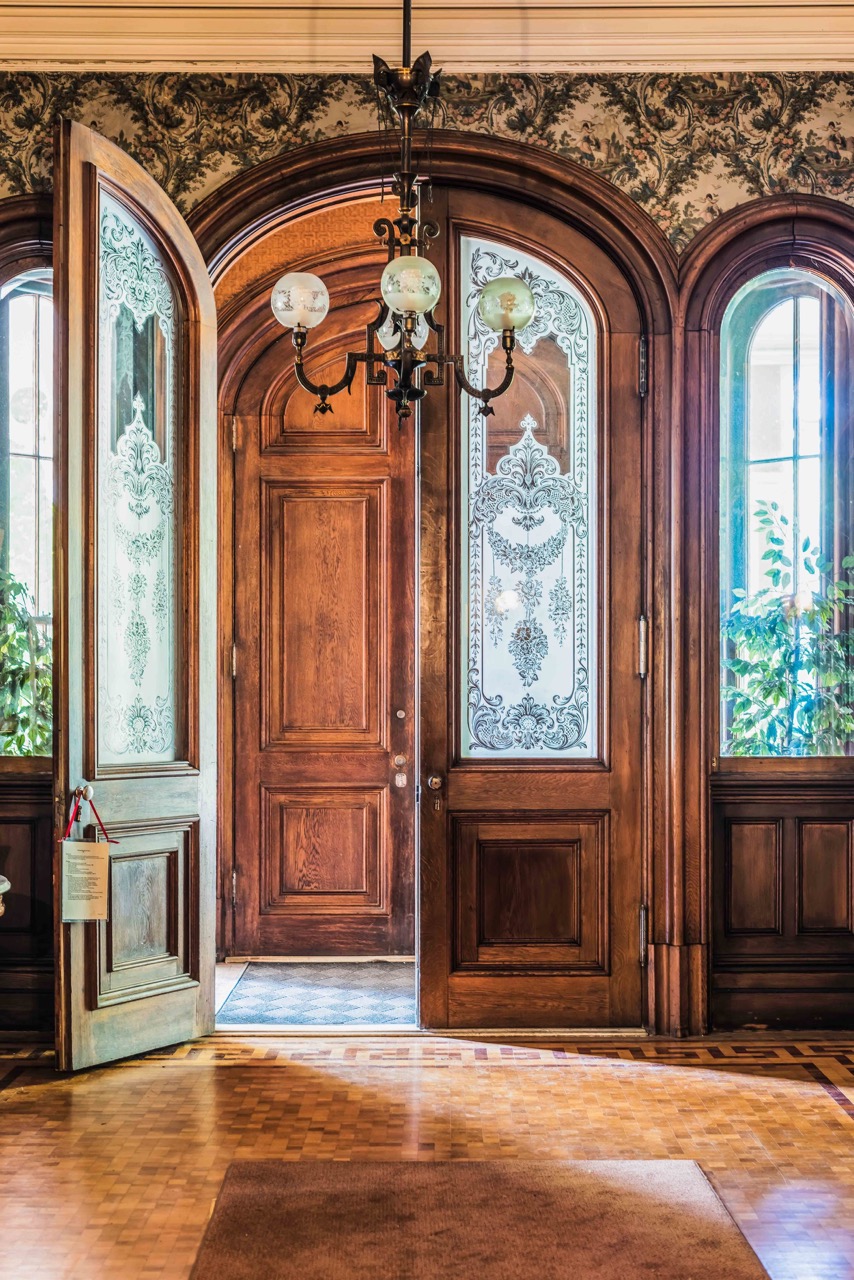
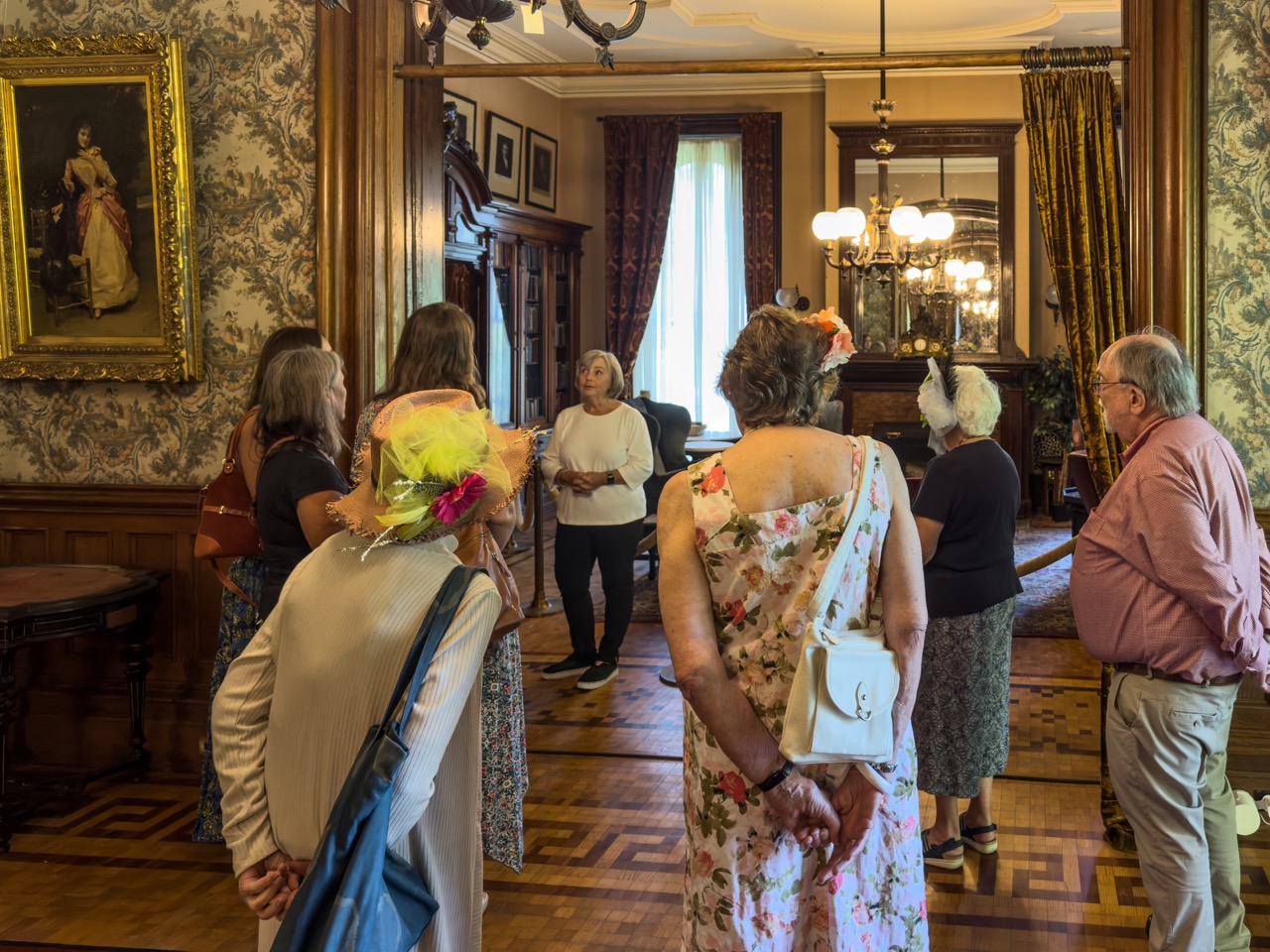
Guided or self-guided tours of the mansion introduce visitors to Victorian Era architecture and décor. Many of the family’s original furnishings and belongings remain in the house, giving more insight into the lives of the family, particularly the lives of Eliza (Lizzie) Park McCullough, daughter to Laura and Trenor Park, and her husband John McCullough.
Lizzie’s husband John McCullough, an attorney, was elected to the Vermont State Senate. He became Vermont Governor in 1902, turning the Park-McCullough House into the Governor’s Mansion (Vermont is one of five states that does not have an official Governor’s Mansion).
While business and politics were happening behind thick wooden pocket doors securing the Gentlemen’s Parlor, across the hallway in the Ladies Parlor, Lizzie, who according to volunteer docent Maria Martinez, was “fun to be around,” was receiving guests well into the day.
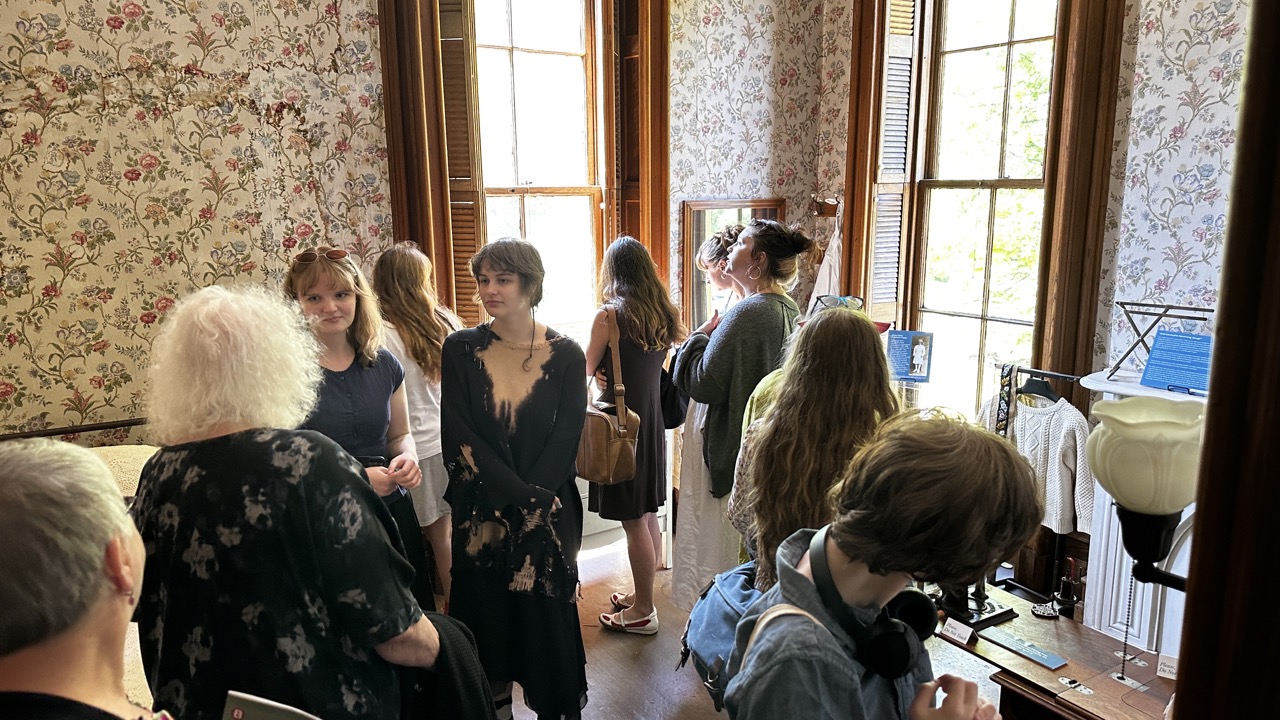
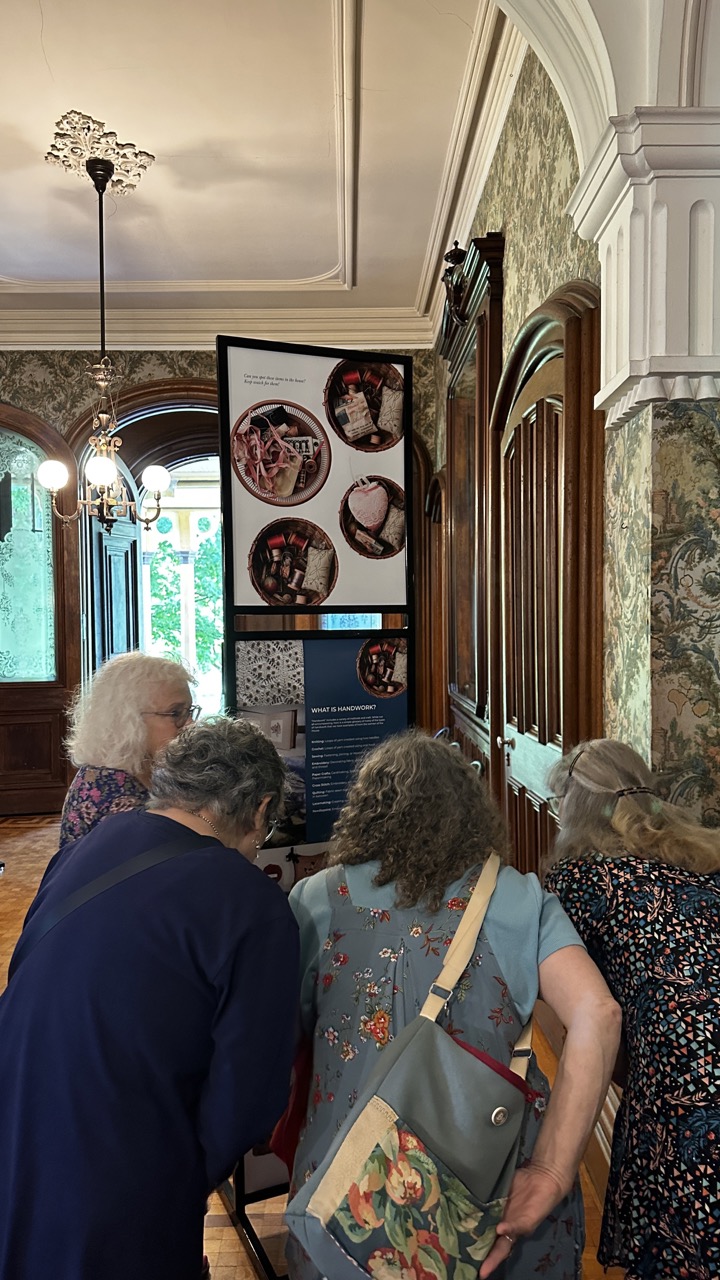
The Ladies Parlor was also the music room, and musical instruments can be seen in three of the four corners of the room. Near the front of the parlor sits a tabletop double stereopticon viewer that Martinez playfully suggested would have offered an opportunity for young courting couples to “accidently” brush knees.
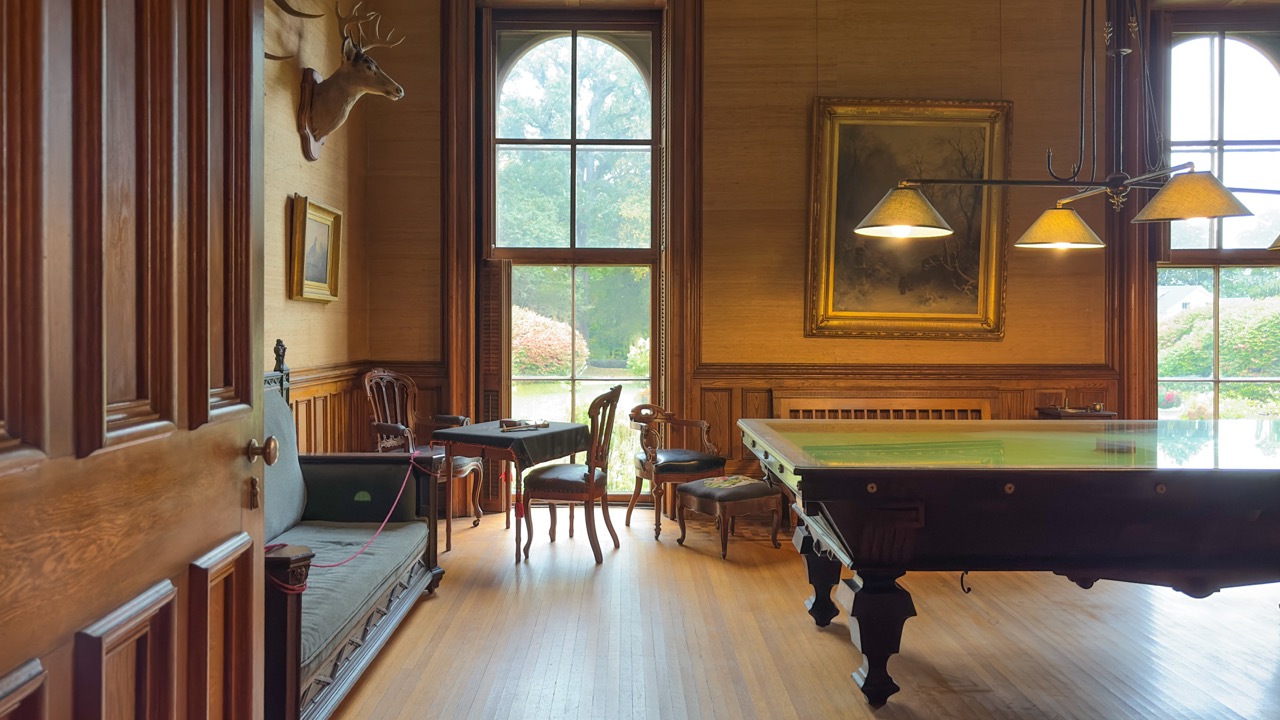
Adjacent to the Gentlemen’s Parlor is the game room which holds the family’s original English Billiards table. Every member played the game but according to Martinez, Lizzie and her father Trenor would engage in some particularly competitive games.
In August 1891, eyes from around the country were on North Bennington when Benjamin Harrison, 23rd President of the United States, stayed for two nights with the family during the dedication of the Bennington Battle Monument.
In the dining room, a copy of the menu from the dinner with the President is on display. The table is set with the evening’s dessert – a jelly cake with a scoop of vanilla ice cream – conjuring up an image of a well-trained, perhaps nervous staff which would have included local residents.
According to Polly Raine, Museum Director at Park-McCullough Historic Governor’s Mansion, family records, many of which are preserved in the University of Vermont archives, show that the house and Hall Farm employed hundreds of members of the local community. The estate remained in family hands until 1965, when Mrs. Bess Johnson, the last family member to reside in the house, passed away.
For some, the property is where life happened.
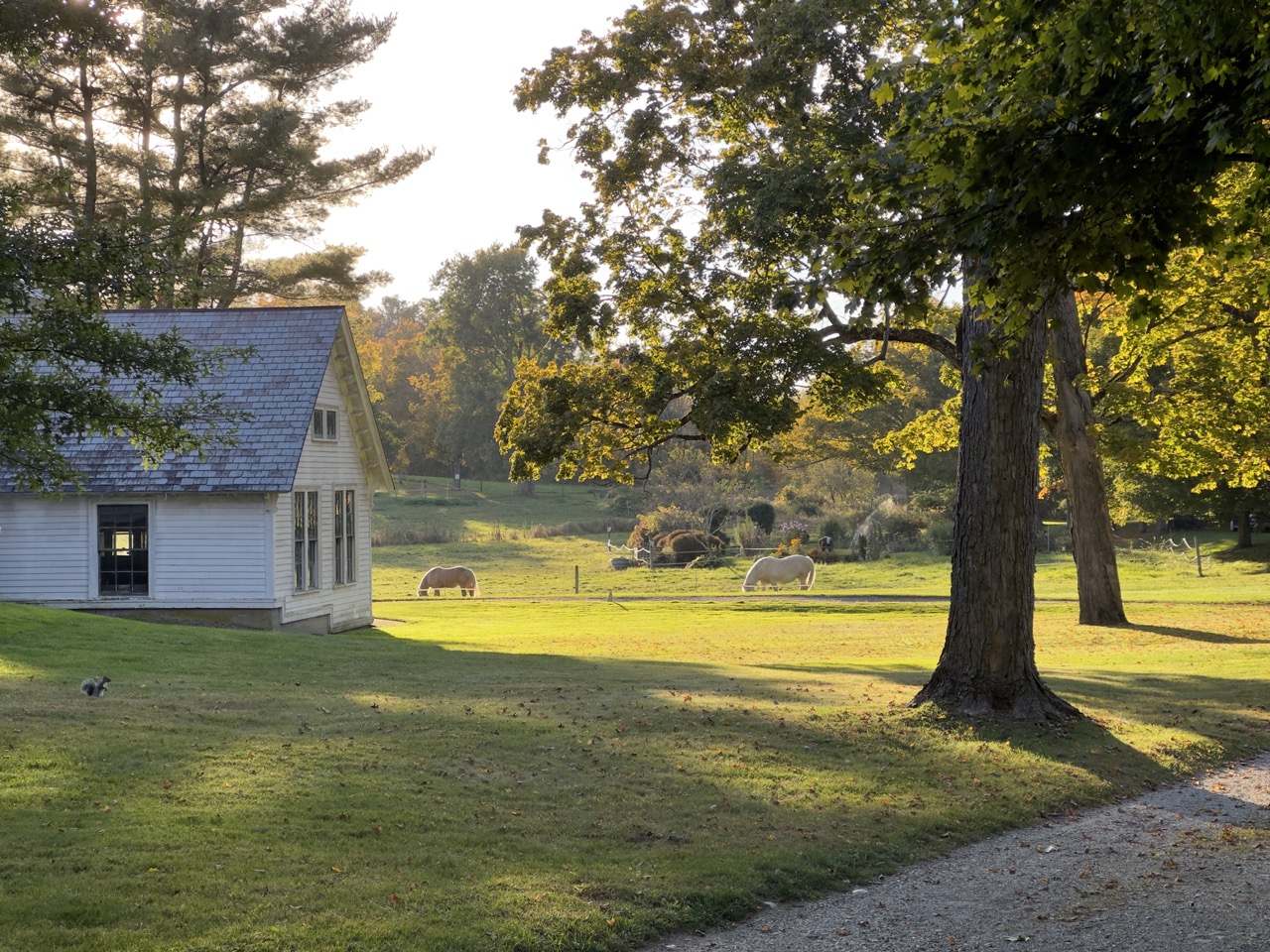
“Their grandparent may have worked on Hall Farm, they were married here in the carriage barn, they had their baby shower here, or they’ve been taking family photos in the garden every year for decades,” Raine said, referring to the years after Mrs. Johnson’s death. “So many residents have deep histories here.”
Raine’s passion for history and culture prompted her to dive deeper, speaking with local residents and learning about their connection to the property. The more she learned, the more she wanted to learn, triggering the Community Archives Initiative, a project that involves the gathering of memories, photographs, and artifacts tied to the Park-McCullough House.
Currently, Raine is seeking oral histories, written accounts and photographs from those with memories connected to the property. She hopes to preserve these stories and make them accessible to visitors, creating a richer understanding of the site’s history. The effort recognizes that the community stewards who have cherished and sustained the property over the decades are as much a part of its story as the family and staff who once called it home.
While history is rooted in the property, Rice and Raine know keeping the place current and the grounds open to the community is important for its survival.
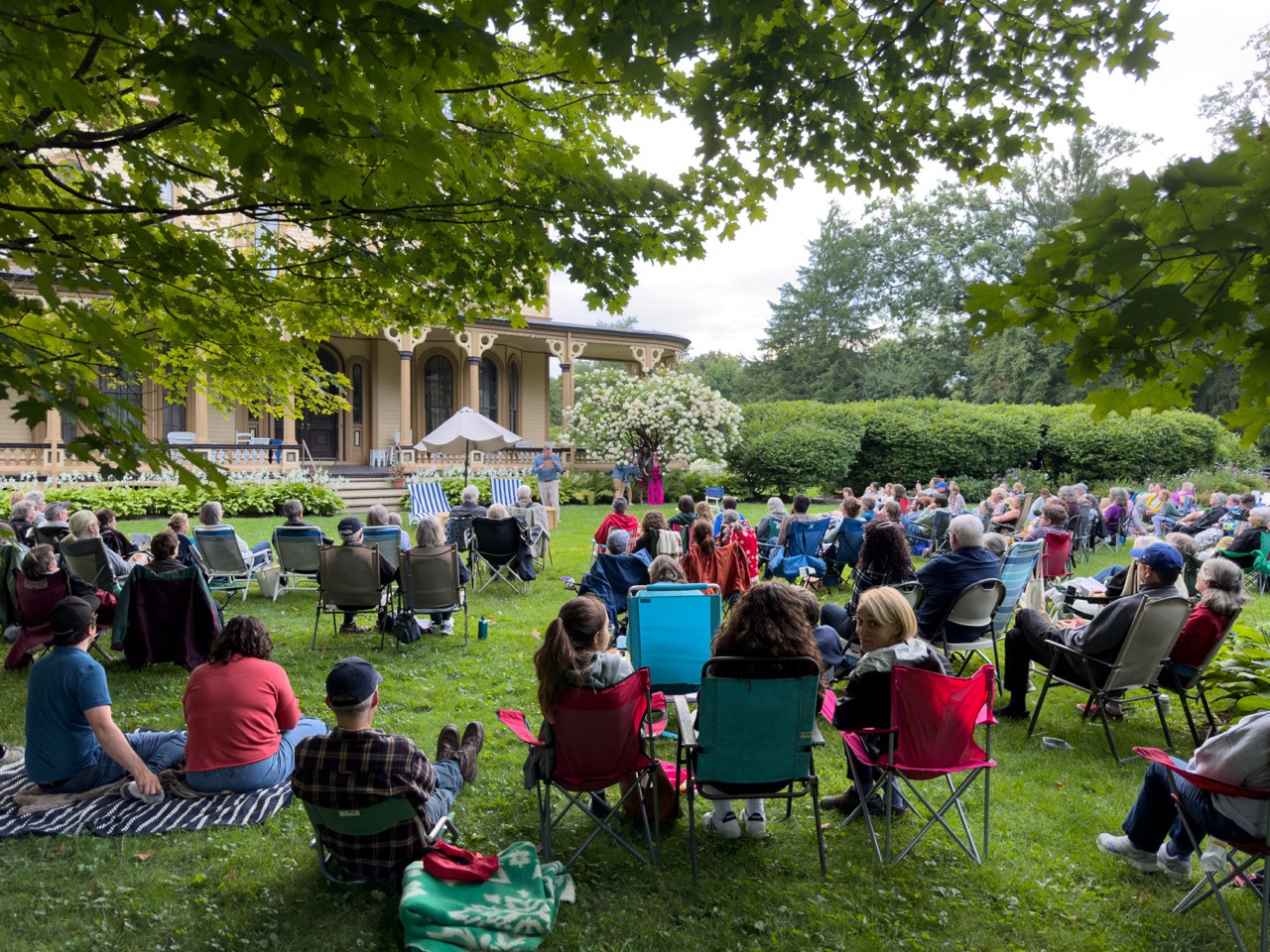
Throughout the summer, Park-McCullough bustles with community-hosted and in-house programming, including Sunday Morning Yoga on the Lawn, Qigong Among the Trees, a croquet league, The Carriage Barn at Park-McCullough Reading Series in partnership with the Prospect Street Writers House and the Bennington Bookshop, and Living Room Theatre’s three-week production of The Tyrant Play (with performances moved to the Carriage House during inclement weather). The schedule also includes several self-hosted offerings such as History & Heritage Lunches, the Arts & Ancestry Circle, and Afternoon Teas on the Veranda—all currently being added to the calendar and expected to be live by publication.
For those who are unable to physically visit the house, the organization is bringing the house to them courtesy of the digital age.
Recently, Park-McCullough joined Bloomberg Connects, a no-cost, ad-free mobile app developed by Bloomberg Philanthropies. The app serves as a digital guide, sharing content from more than 1,200 arts and cultural heritage sites around the world. Visitors can download the app using the QR code on the Park-McCullough website.
While the Free Admissions Initiative has covered the entrance fee to tour the Park-McCullough House during the 2026 season, the organization still needs support through donations and memberships.
“We are a membership-based organization, and we invite everyone to join us in stewarding this special place as members of the Park-McCullough,” Rice said. “This season, we’ve introduced a new Pay-What-You-Will Membership, providing no minimum barrier of entry to become a member.”
There are varying levels of membership, and members at the sustainer level ($125) and above receive free or reduced admission to more than 1,400 museums across North America through the North American Reciprocal Museum Association.
The Park-McCullough House has been a part of the fabric of the North Bennington community for 160 years. The property, with its grand mansion and park-like grounds, continues to invite visitors to share in a piece of small-town Vermont history and culture.
Plan your visit
Website: Park-McCullough House
1 Park Street (access parking from West Street)
North Bennington, Vermont
HOURS
Grounds: year-round, dawn to dusk.
FREE ADMISSION 2026
MUSEUM OPENING HOURS:
May 22 – October 19
Friday – Monday: 10:00 a.m. – 4:00 p.m.* check website for hours.
To view Park-McCullough events, go to the 2026 calendar listed on the website.
Pay-What-You-Will Membership – Become a Member: www.parkmccullough.org
Community Archives Initiative: www.parkmccullough.org/community-archives
To share a story, a photograph, or an artifact from the Park-McCullough House, email info@parkmccullough.org, call 802-442-5441 ext. 3, or fill out a short form introducing yourself at Community Archives Initiative.