
By Ahmad Yassir, Vermont Country Magazine.
When Will Gardner talks about the Southern Vermont Homebrew Festival, he doesn’t start with beer.
He starts with community.
“Literally, the core of this festival remains true,” Gardner said. “It’s to showcase the homebrewing talent in our area.”
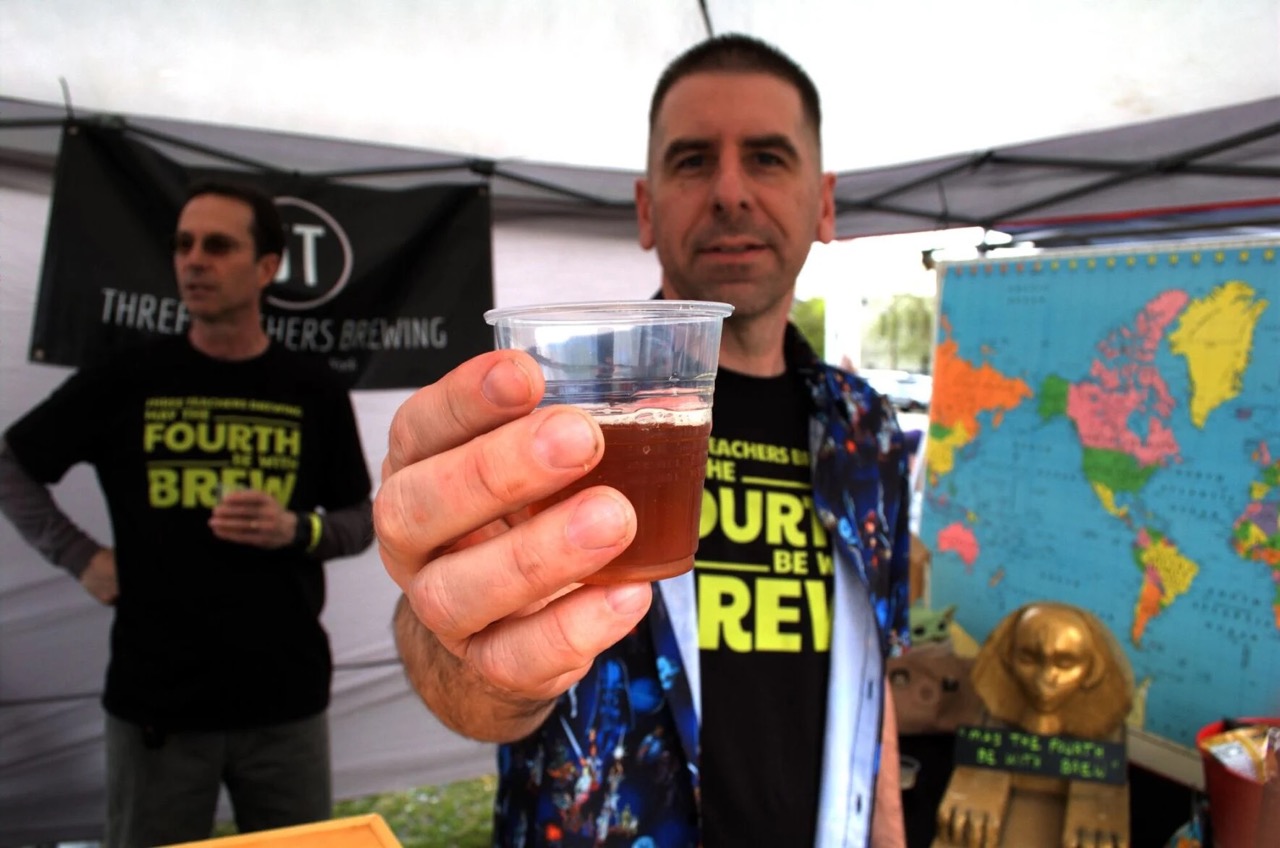
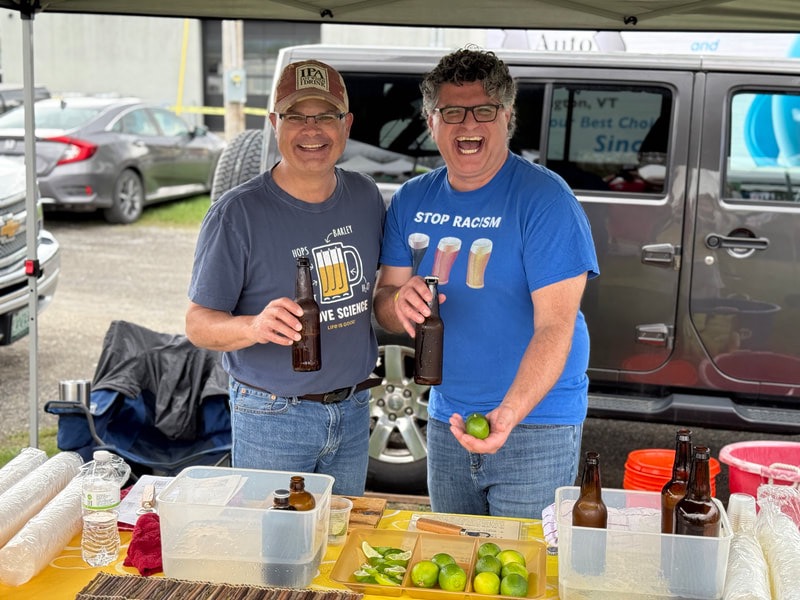
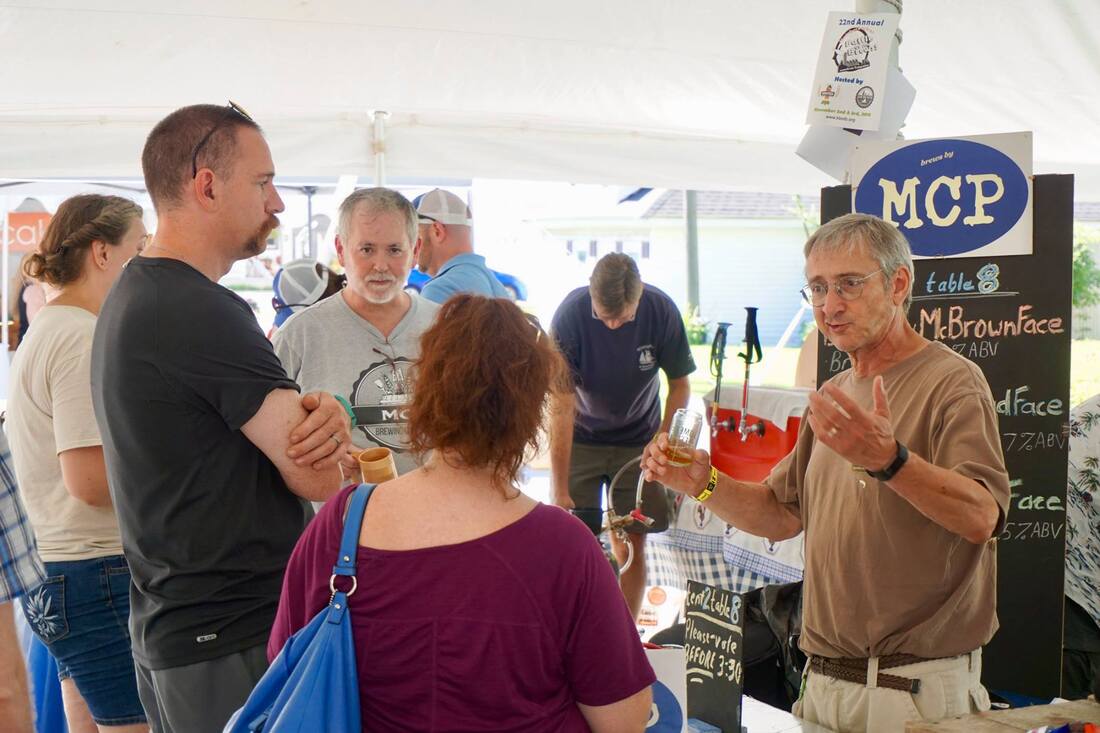
Since its launch in 2015, the festival has welcomed more than 125 unique homebrewers. What began as a hyperlocal experiment has grown into something with a cult following in the homebrew world. Drawing 30 to 35 dedicated homebrewers each year and attendees from across Vermont, New York, Massachusetts, Connecticut and beyond.
“No one else really turned the concept of homebrew into a true beer festival,” Gardner said. “A lot of others are backroom gatherings…dudes drinking beer and rating it on a homebrew scale. Ours is interactive. It’s a festival. It engages people with the homebrewers.”
From 15 Brewers to a Regional Draw
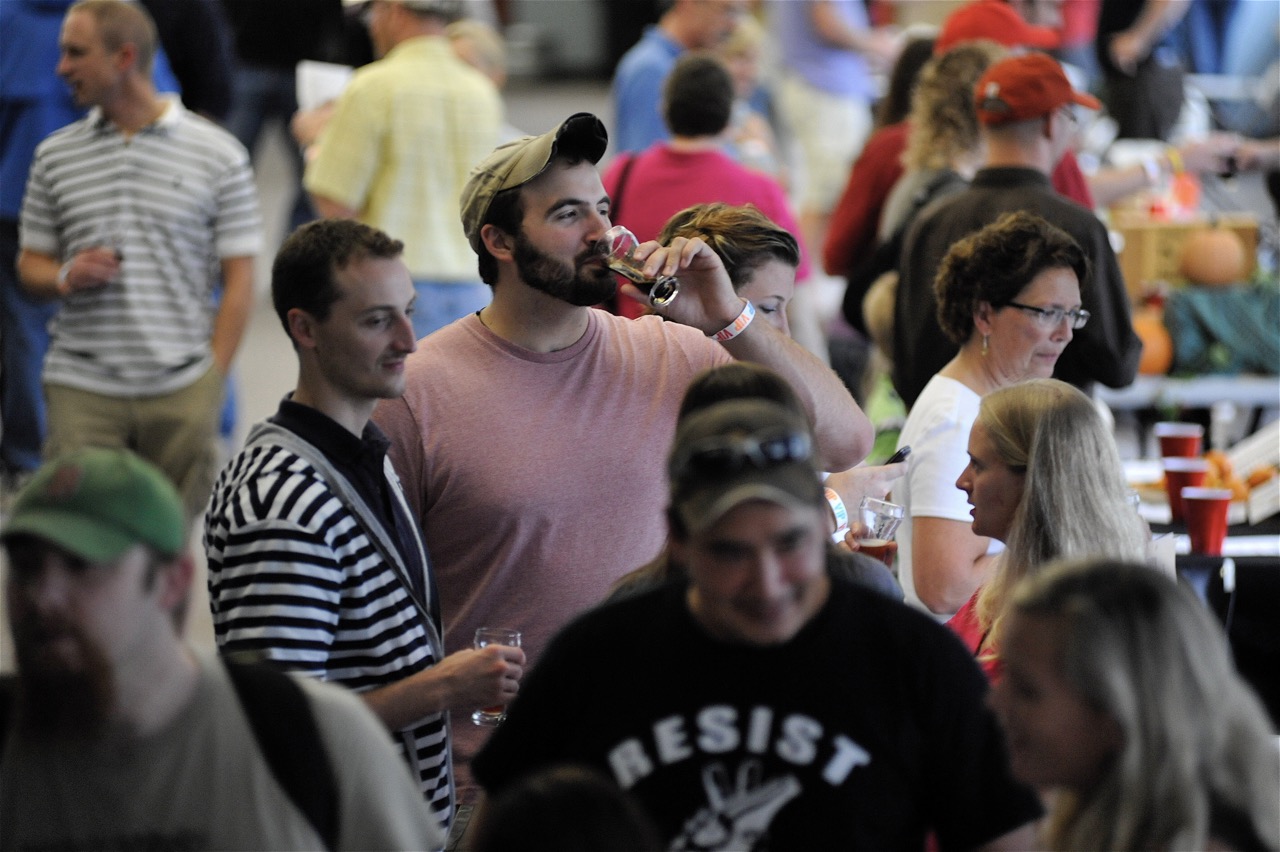
The first year, Gardner and his team closed down County Street with about 15 homebrewers, a handful of EZ-Up tents and plenty of uncertainty.
“It was 5 a.m., and I remember thinking, ‘I have no idea what’s going to happen today,’” he said. “I wasn’t panicky, I just didn’t know what to expect.”
Then the beer started flowing. Groups of four. Groups of five. Then 10 at a time.
“I looked over at Trish, (Patricia Gardner, Will’s wife and co-producer) and she was shaking her head yes,” Gardner said. “We actually did it. No one got hurt. Everyone had a great time. And people were already asking about the same date next year.”
By 2016, they returned to County Street with lessons learned and better infrastructure. In 2017, they added wings and live entertainment. In 2017, the festival add a second yearly event and moved indoors to the Masonic Hall on Main Street in partnership with the Chamber, tying in local restaurants during the winter programming lull. With 20 homebrewers and nearly 400 attendees in a tight space, the energy was undeniable — though Gardner admits he favored the outdoor setting.
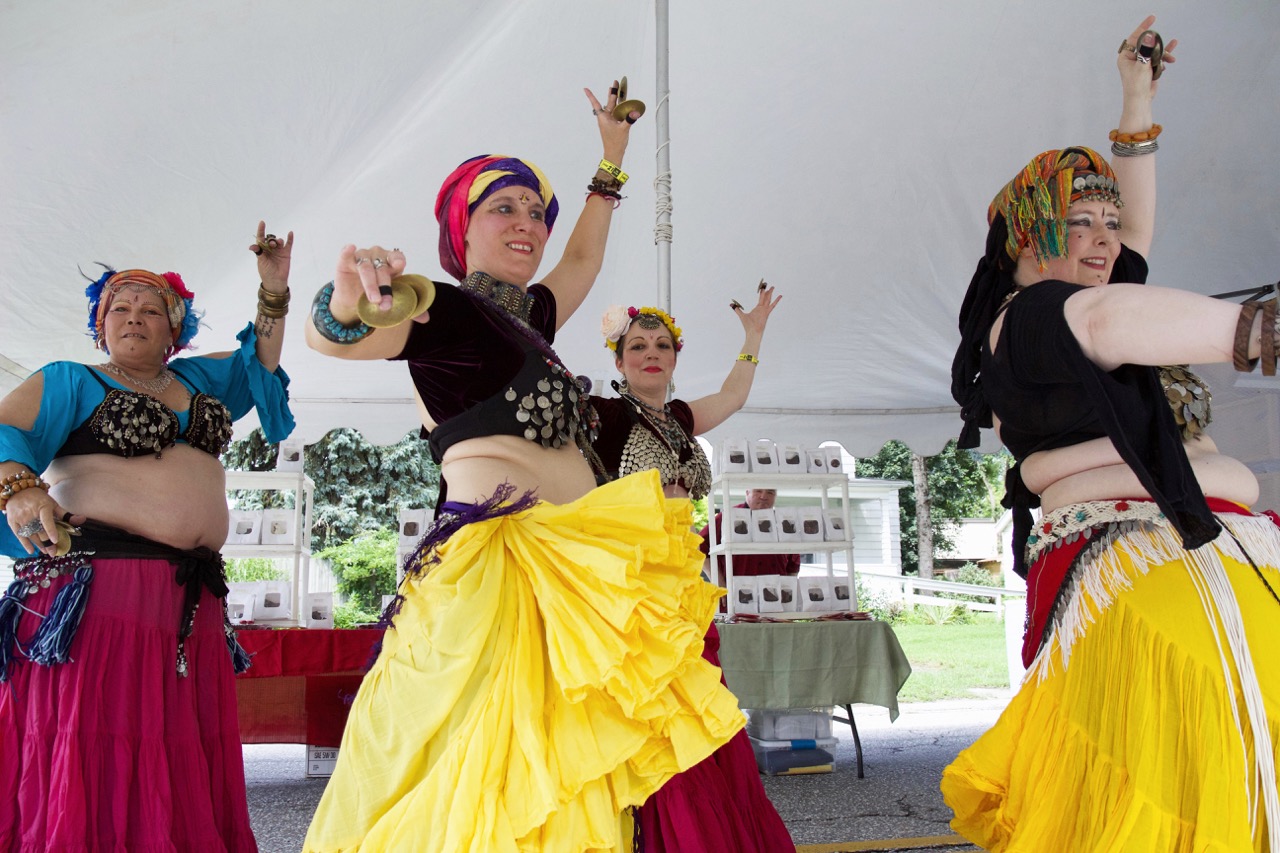
By 2018, multiple bands, belly dancers and partnerships with local fire departments helped deepen the sense of camaraderie.
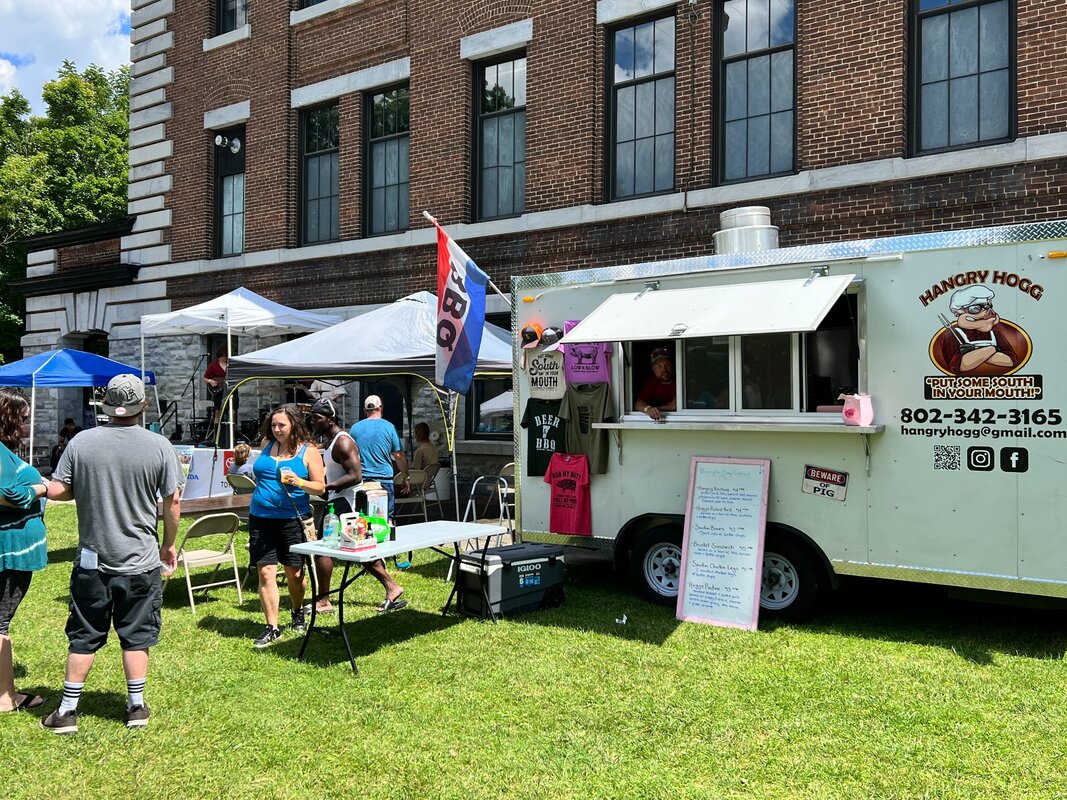
COVID forced a pause for the winter event 2021. That summer, the festival reemerged at the Tuttle lot at 113 Depot Street, incorporating food trucks and new health-conscious measures.
By 2023, with 35 to 40 homebrewers and an expanding roster of sponsors and partners, “it started feeling like a full-on festival,” Gardner said.
Raising the Bar
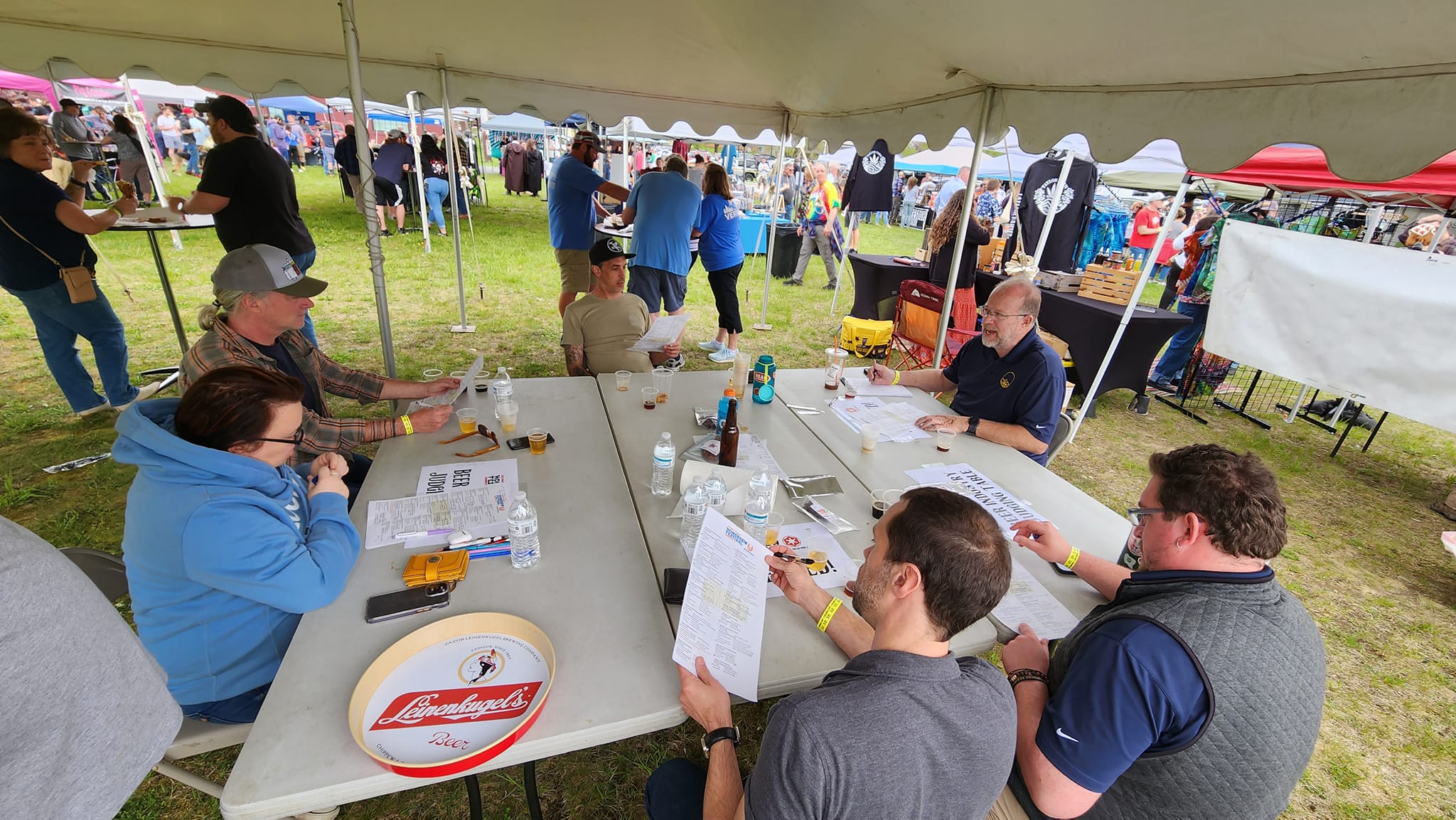
A major evolution came when the festival introduced beer industry judging. While attendees have always voted, homebrewers wanted professional, unbiased feedback.
So Gardner assembled a panel of brewpub owners, head brewers and distribution professionals to evaluate entries based on marketability, scalability and quality.
“It brought the quality across the board up,” he said. “Now it’s juried.”
In 2024, the festival introduced the Seth Barrows Judged Award in memory of Seth of Farm Road Brewing, a homebrewer who participated in 2015 and grew alongside the festival. Gardner said the encouragement and spirit Seth found at the event helped push him to open his brewery.
“We’re happy to carry on his legacy,” Gardner said. A lifetime achievement award was also added.
More Than Beer
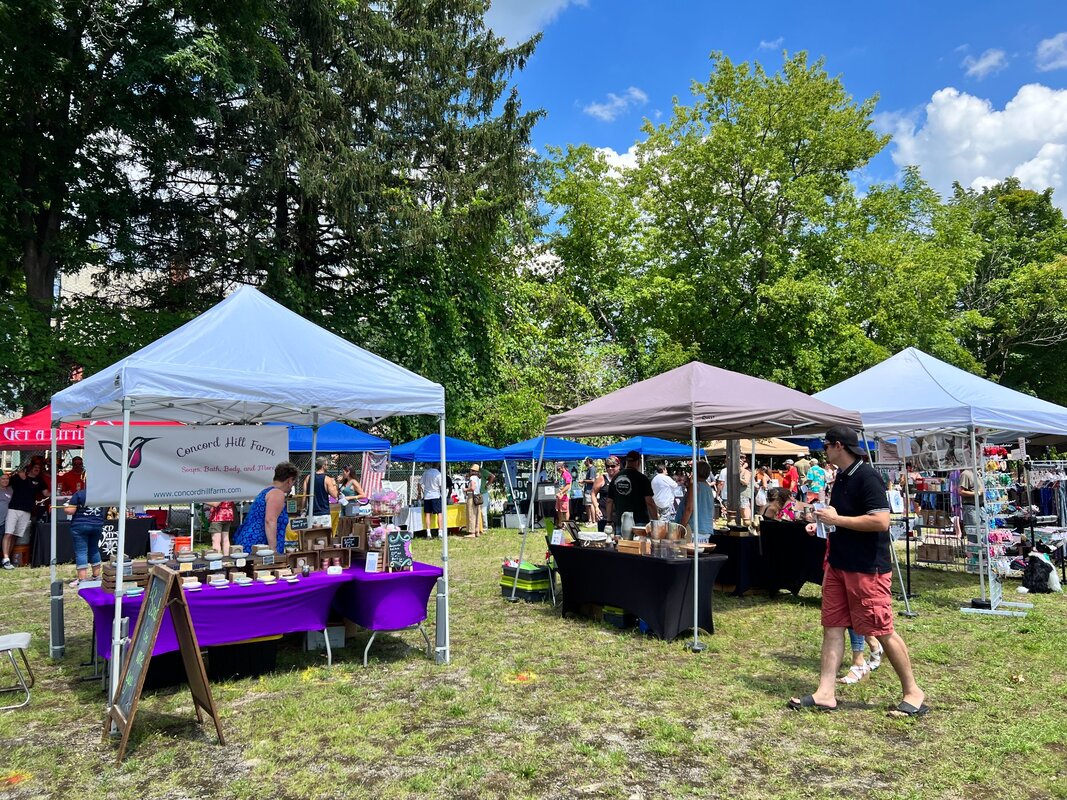
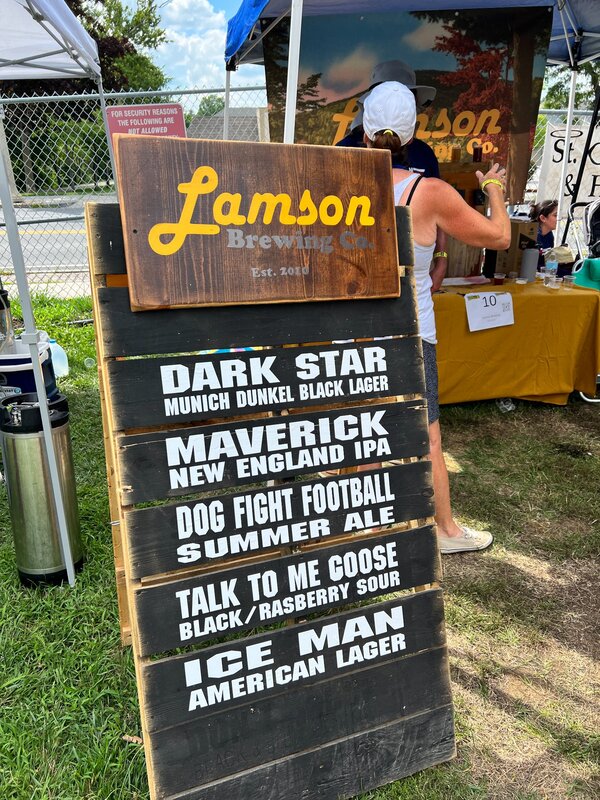
Over time, something deeper has taken root.
Homebrewers, more than half of whom now come from outside the immediate area, invest thousands of dollars in equipment and regularly bring 15 to 20 gallons in multiple styles. Many have developed their own branding, tents, business cards and online presence.
“It’s been intriguing to watch people grow from five gallons to a team bringing 20 with their own branding,” Gardner said. “We’ve helped drive that, spotlighting them like vendors and showing them how to market themselves.”
Relationships formed at the festival now extend well beyond one day a year. Brewers from Connecticut and New Hampshire stay connected. Vendors return. By January, Gardner receives 20 to 25 emails asking for the date.
Attendance has shifted, too. What was once 90 percent local in year one is now about 50 percent visitors — and trending higher.
Gardner recalls a Manchester couple who discovered the festival by chance.
“They told us, ‘We haven’t come to Bennington in a long time, but now that there are festivals like this, we decided to go to the Monument and the museum.’”
It’s a reminder that sometimes people simply need a reason to rediscover what’s here.
A Four-Hour Escape
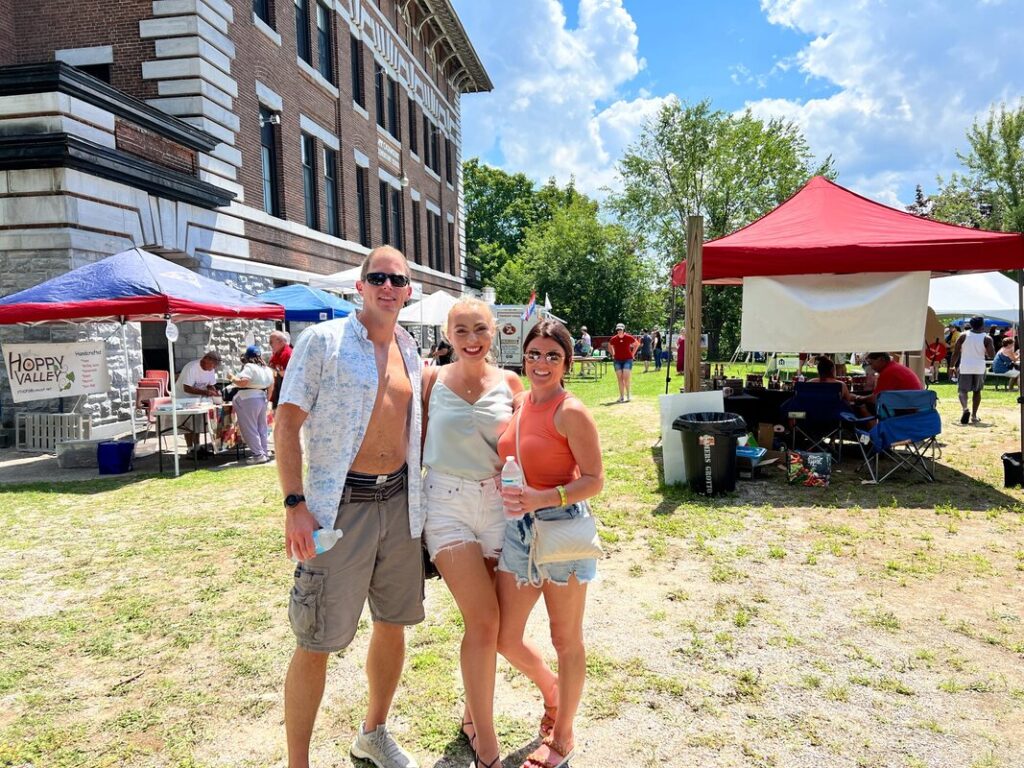
The 10th year brought weather anxieties and logistical challenges. At one point, cancellation was considered.
“We walked around the tent, and we literally saw the clouds part and the sun emerge,” Gardner said. “That was the sign.”
At its heart, he said, the festival is a labor of love, a six-month journey each year to get every detail right.
“It’s four hours where you leave the world behind,” he said. “You become part of a community. You celebrate safely. You enjoy good music, beer and food. You forget about life for a few hours and really live in the moment.”
His favorite part?
“The closing. The awards. The thank-yous. Walking around and seeing hugs and high-fives. It’s this big group of friends who see each other once a year, and no one wants it to end.”
Looking Ahead to 2026
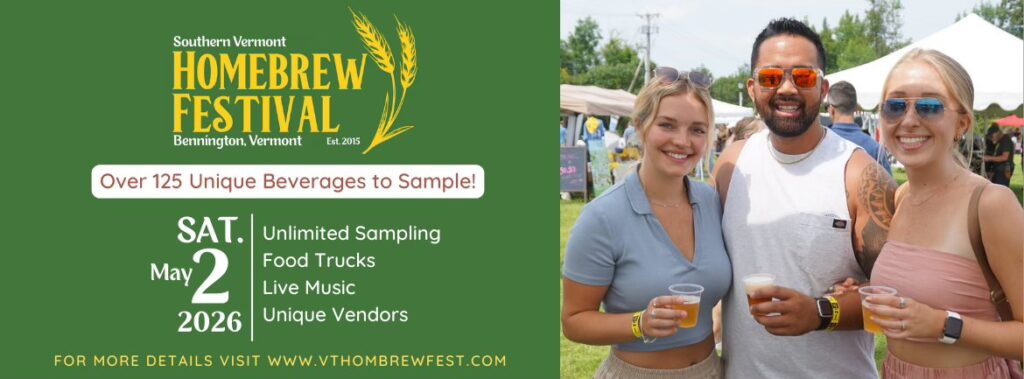
The Southern Vermont Homebrew Festival returns Saturday, May 2, from noon to 4 p.m., with VIP access from noon to 1 p.m., at the Tuttle lot at 113 Depot Street.
Gardner isn’t reinventing the wheel. Live music, food vendors, sponsors and, new this year, an ice cream truck will round out the experience.
In a conscious move toward accessibility, tickets are $5 cheaper across the board. Online tickets are available at vthomebrewfests.com
“If you’re struggling, but you need four hours to exist,” Gardner said, “we would love to enable you and make this event more accessible.”
For Gardner, that’s the point. Not just beer, but belonging.