By Brew Moscarello and Jeff Diehl.
When I first stepped into the Battenkill in 1986 it was a transitional time for fly fishing nationally. Trophy angling on American rivers was rising to dominance. Guiding was becoming more transactional, shaped by scale and marketing and a distinctly West Coast approach to outdoor recreation that emphasized growth and exposure above all else.
But that shift arrived slowly on the Battenkill.
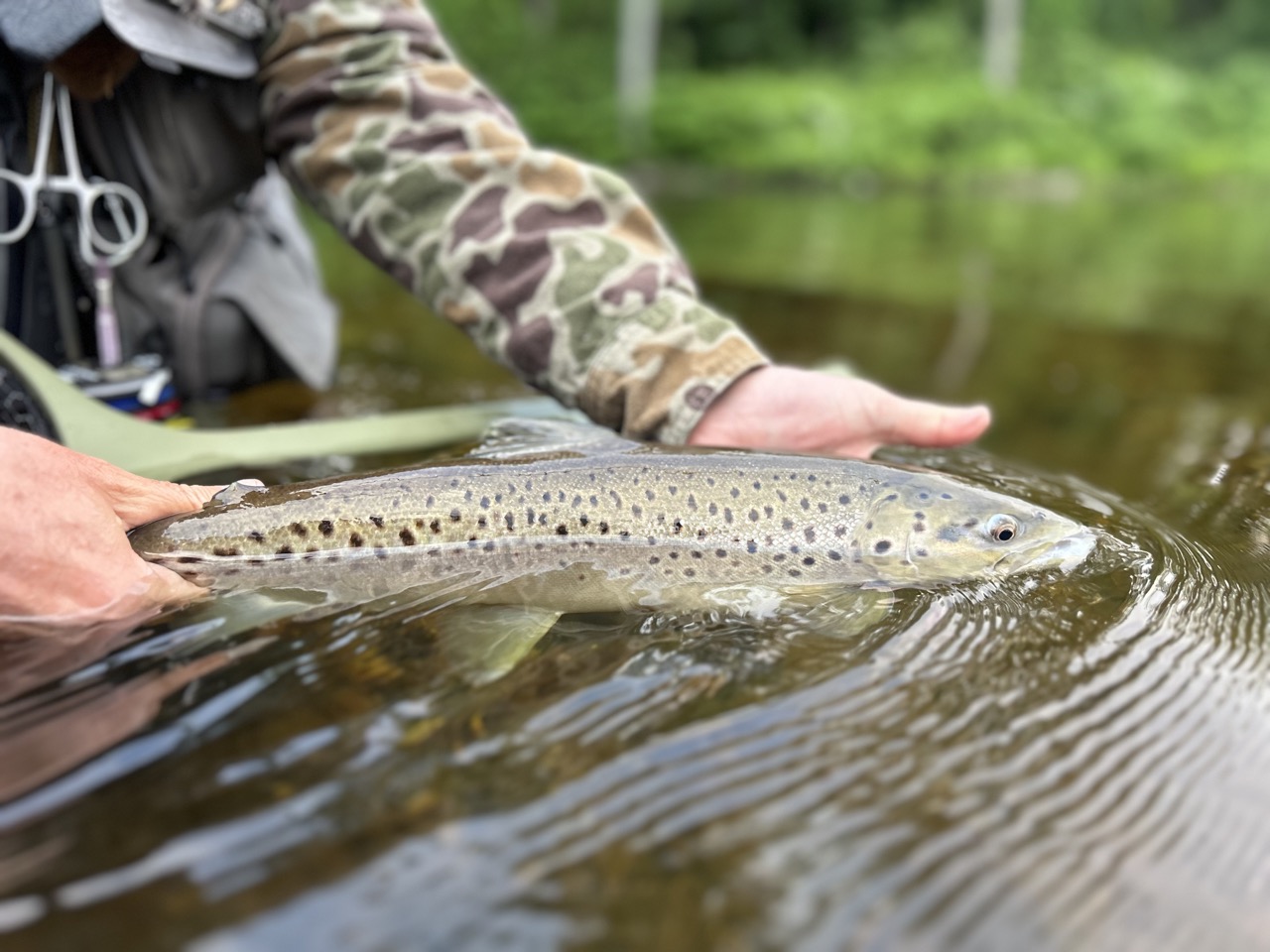
In the era before my arrival, most people learned to fish from lifelong locals they discovered through reputation if, in fact, they found them at all. Locals like 85-year-old Marty Oakland who now owns Quill Gordon B&B in Arlington and has been fishing the river since the 50s. He still offers tips today.
“What I tell our guests is, you gotta get on the river here at 7 o’clock in the morning,” he says. “Fish for a couple hours here, right in front of the house, then jump in my truck, and I’ll take you downstream two miles or so, and then you have another couple hours of peace and quiet.”
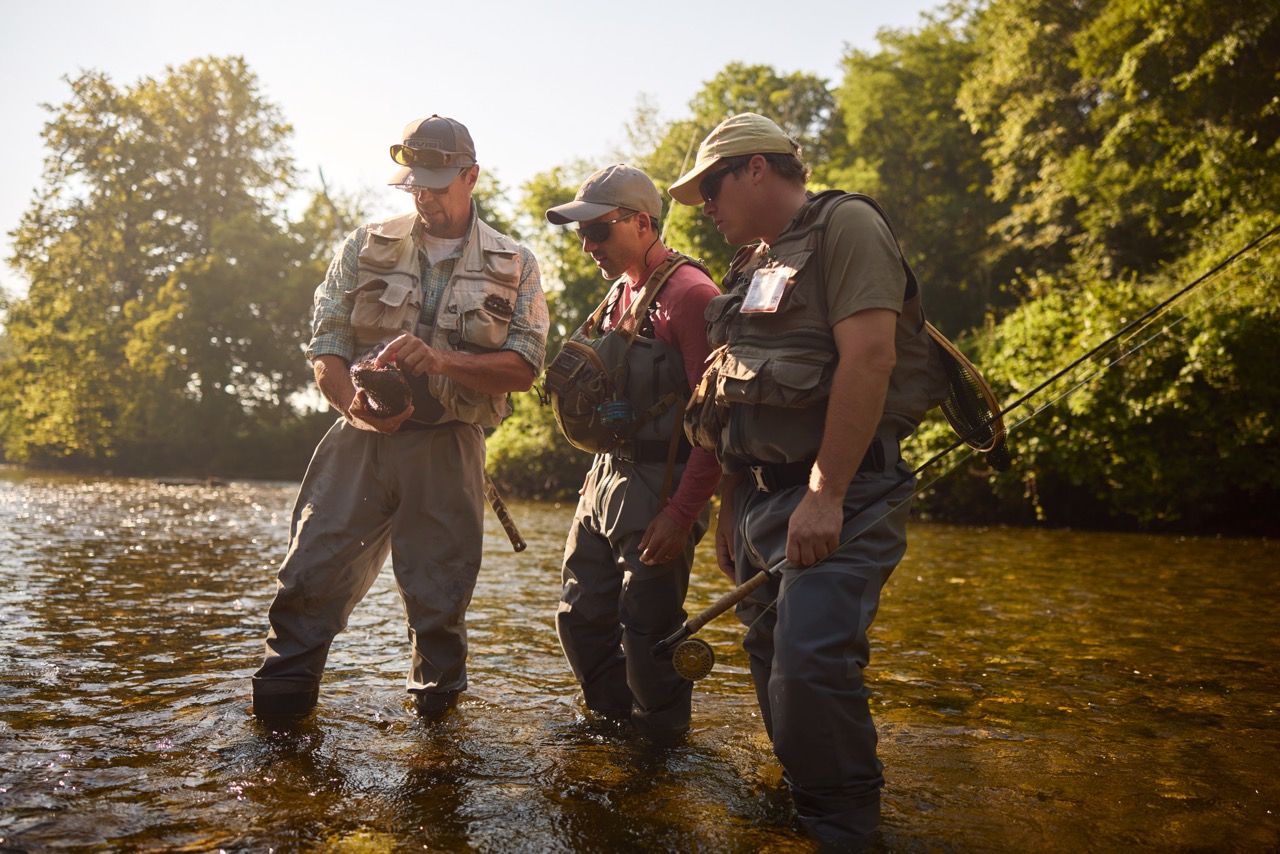
In Vermont, the Battenkill held onto that vibe longer than most rivers. I know guides who built multi-decade careers based on trust and repeat clients. Instructors focused on reading water, timing insect hatches, and above all, practicing restraint.
Restraint on the Battenkill means forming habits like limited impulse-casting, acceptance of short windows, stopping when conditions are poor, and taking satisfaction in correct action rather than maximum take. Don’t struggle so much over outcomes like numbers, size, or Instagram posts. Focus instead on things such as tippet choices that reduce break-offs, handling time, debarbing, and choosing not to fish stressed water.
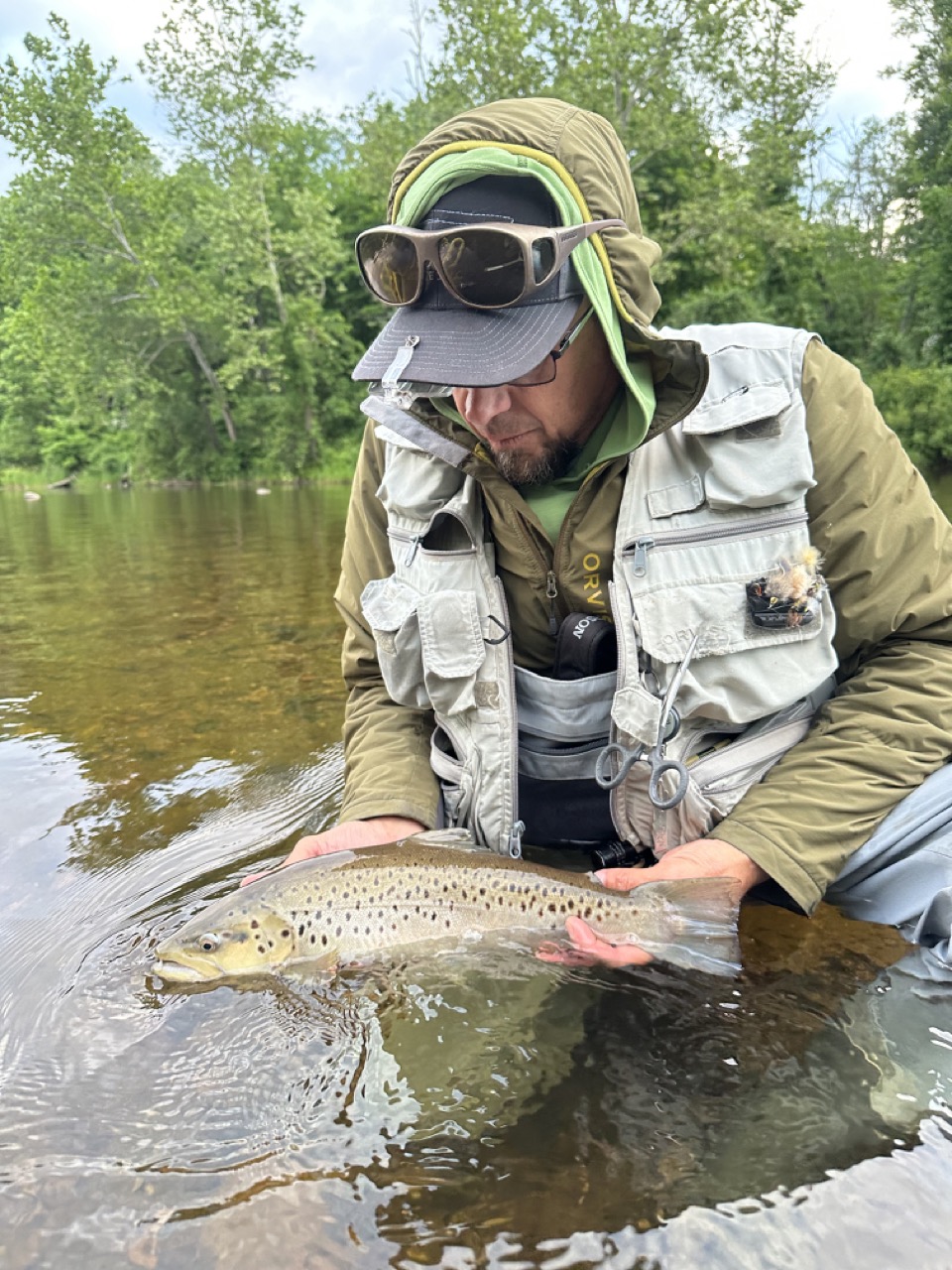
I realize now the extent to which the Battenkill, as the “thinking angler’s river,” has taught me these lessons. I was fortunate enough to develop my fly fishing skills here in the 80s and 90s, just as its reputation was fully emerging. It stood as a refreshing alternative to the big-fish, big-water obsession that dominated much of American fly fishing at the time.
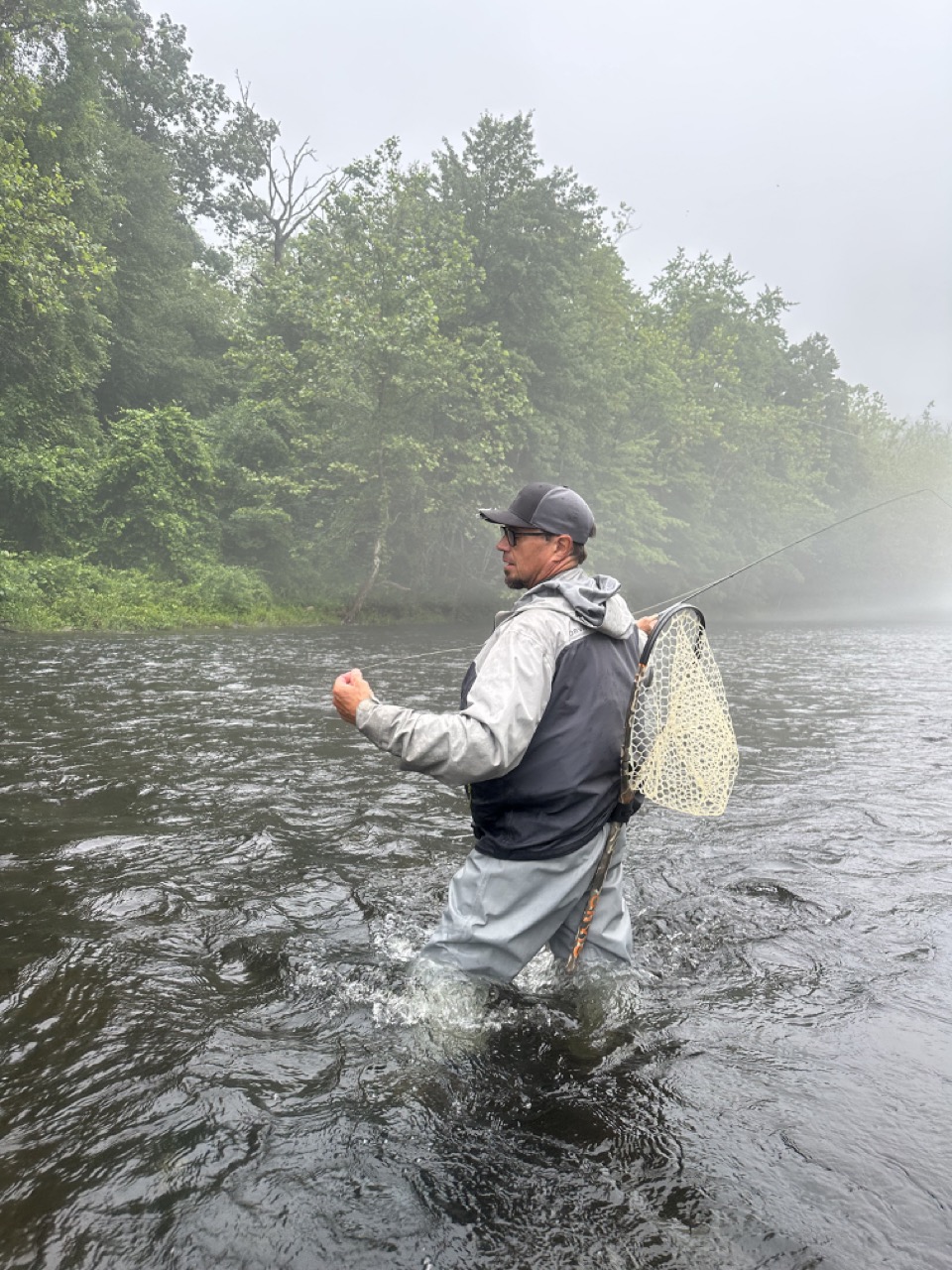
Fly fishing, though, is not what originally brought me to Vermont back in the mid-80s. Snowboarding did. I was working as a sales representative for the early Burton company in Manchester, spending winters on the mountain helping push snowboarding toward legitimacy, advocating for lift access and acceptance at places like Stratton while the sport was still viewed as a nuisance rather than a discipline.
Those were formative years in ways I didn’t fully understand at the time. Burton was still small, scrappy, fighting for recognition. Ski resorts viewed snowboarders as reckless kids tearing up their slopes. Lift operators often refused us access. We had to prove that snowboarding could be taught, refined, and pursued with the same discipline as skiing. I spent countless hours on the mountain, not just riding but demonstrating technique, answering skeptical questions from resort management, and slowly earning credibility.
When the snow melted each spring, I needed work. The original Orvis flagship store in Manchester was hiring seasonal floor staff, and I walked in knowing just enough about fly fishing to get the job. What I found there was an informal education that would shape the next four decades of my life.
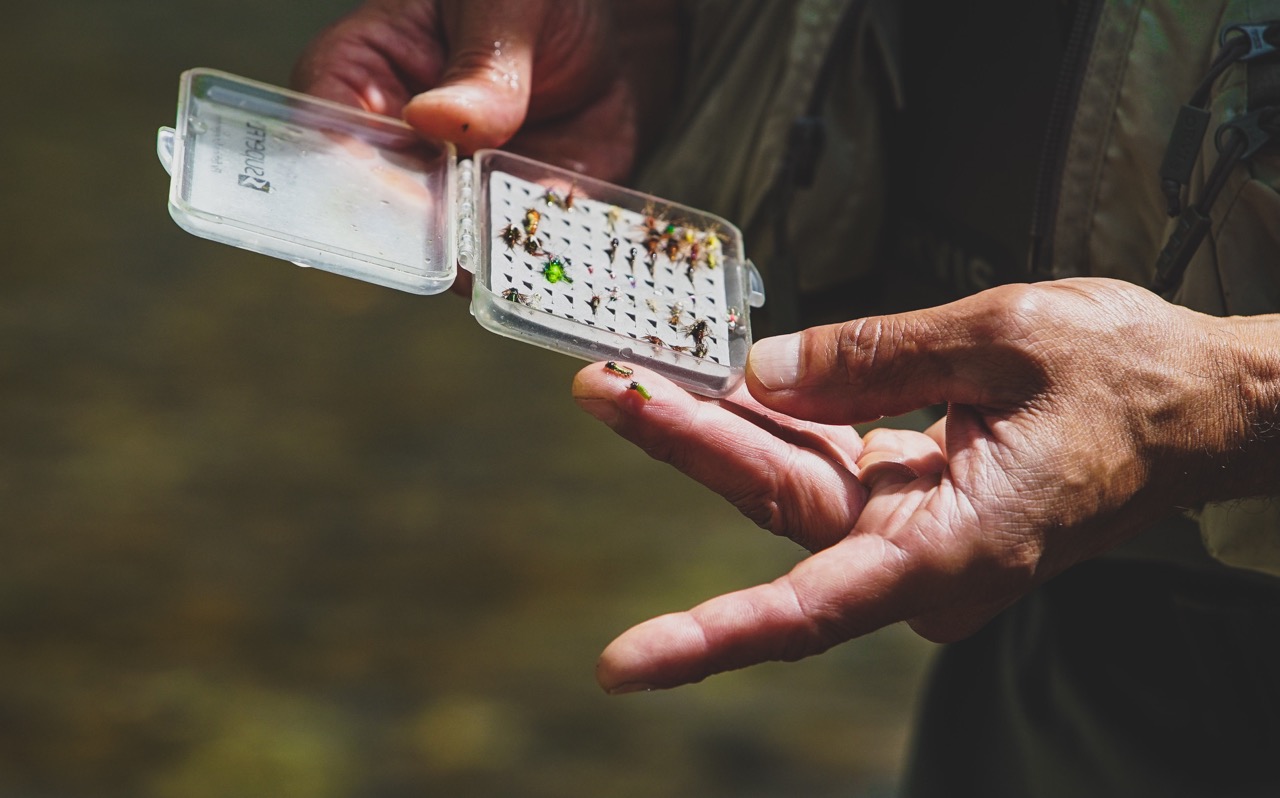
The Orvis store in those years functioned as something more than retail space. It was a gathering point for guides, local anglers, and visiting fishermen who treated the place like a clubhouse. Staff weren’t just selling rods and waders—they were answering detailed questions about which pools were producing, which hatches were starting, what flies were working on specific stretches of the Battenkill. I absorbed those conversations while restocking shelves and ringing up sales.
More importantly, I met people who had spent entire careers on the river. They weren’t afraid to share their knowledge. If you showed genuine interest and asked intelligent questions, they’d talk. I learned which guides had the deepest understanding of the river’s structure. I learned which stretches fished best at different times of season. I learned that the Battenkill demanded a different approach than the Western rivers that dominated fly fishing magazines.
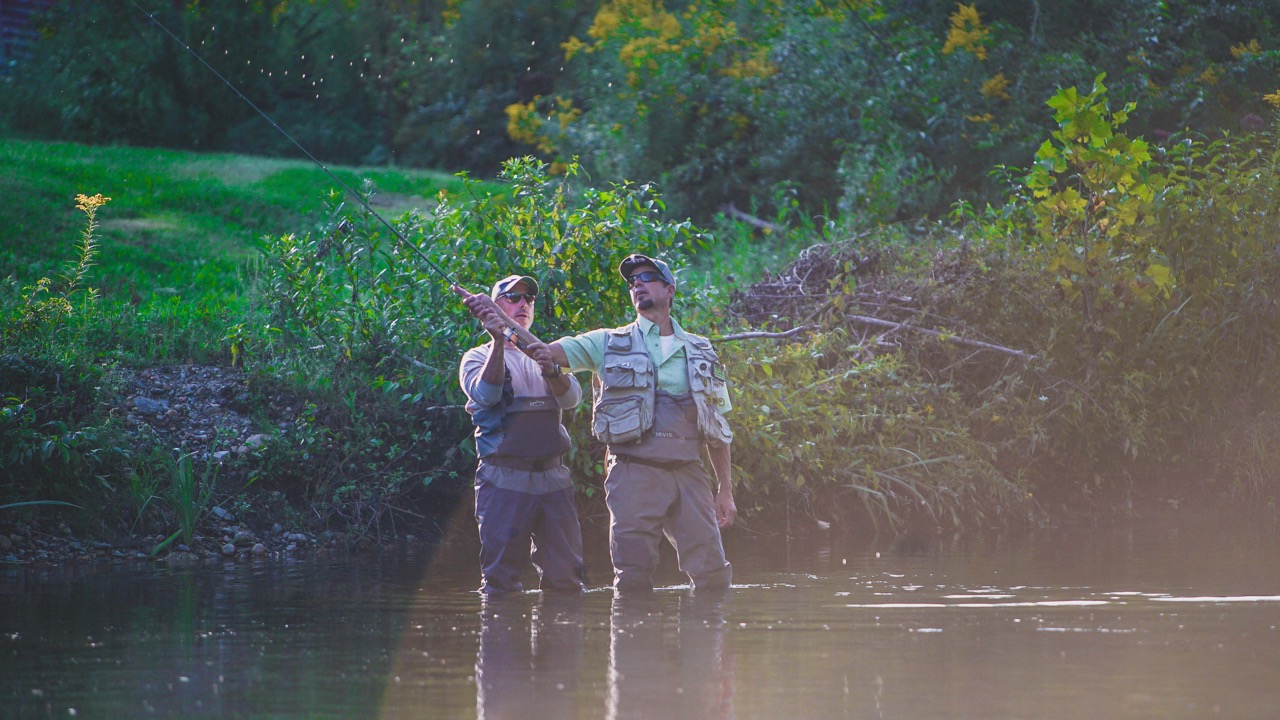
Eventually, I started instructing. Not because I’d mastered the river—that would take years more—but because I’d developed enough competence to help beginners avoid common mistakes. I taught casting mechanics in the store’s practice area. I walked clients through fly selection. I began taking people onto the river for short instructional sessions, always staying within the limits of my knowledge, always learning alongside them.
What emerged from those years was an understanding of balance that would become essential to everything that followed. The seasonal rhythm between mountain and river wasn’t just about finding year-round work—it created natural boundaries that prevented burnout and maintained perspective. Six months guiding on the Battenkill meant I never over-fished the resource or myself. Six months on the mountain meant I returned to the river each spring with fresh energy and attention rather than exhaustion and routine.
That balance extended beyond seasons. I was learning when to fish hard and when to pull back, when to push a client toward better technique and when to let them simply enjoy being on the water, when to pursue business growth and when to protect the quiet integrity of the work itself. These weren’t abstract principles. They were practical necessities on a river that punished imbalance—that stopped producing when over-pressured, that frustrated anglers who forced the issue, that rewarded patience and restraint over aggression and volume.
The rhythm from river to mountains and back again has remained remarkably stable for four decades.
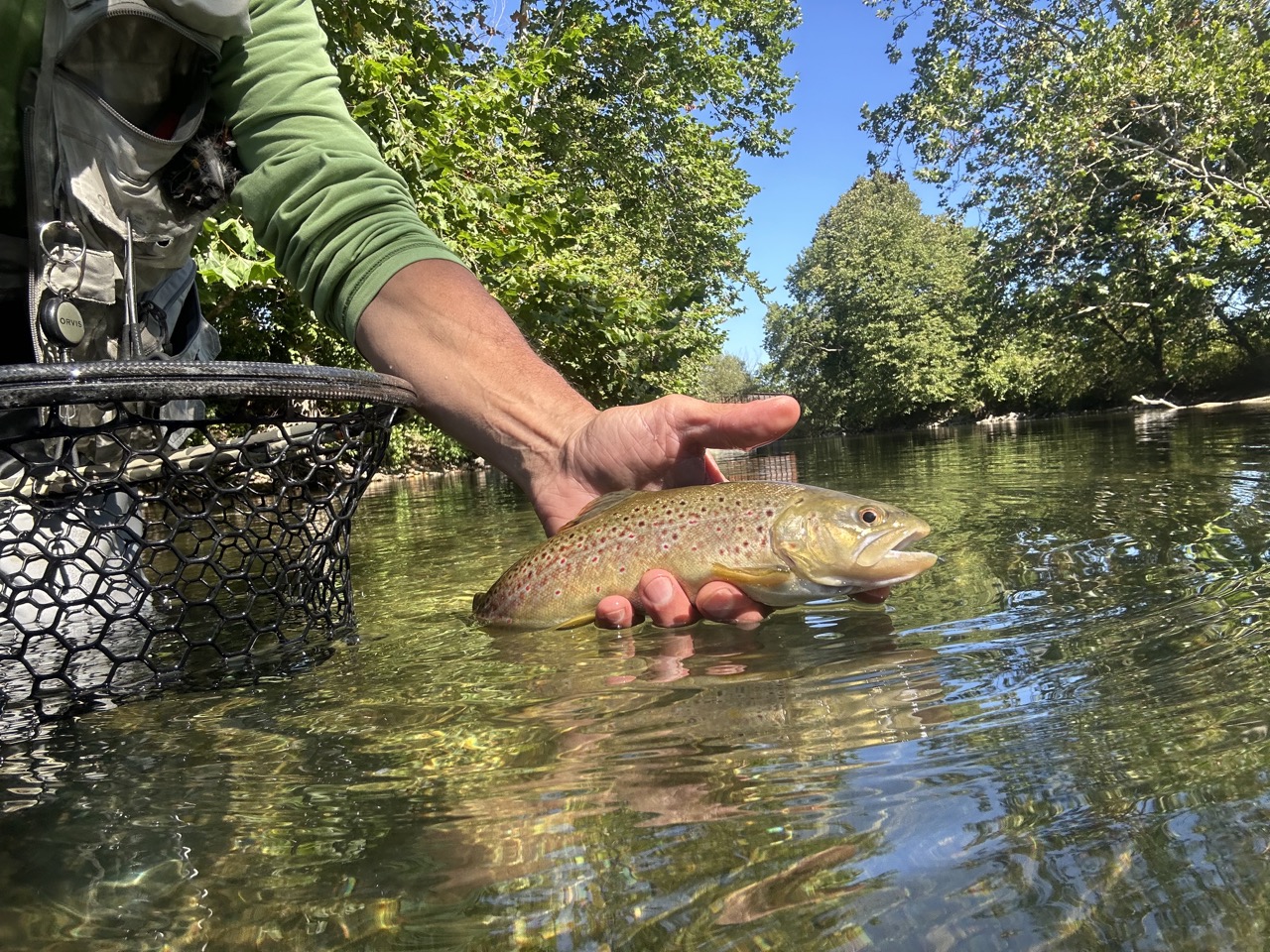
What has grown around it are friendships and partnerships with people who have committed themselves, quietly and persistently, to outdoor life in this state. They’ve become rooted in place, thrived here, and have definite ideas about what makes the southern Vermont stretch of the river special.
There is a persevering ethos that has helped the Battenkill retain its character, but in recent years I’ve begun to feel uneasy. My concern isn’t the physical river itself or the health of its native brook trout and wild brown trout populations. Stewardship there has largely held. What feels fragile now is the human ecosystem doing business around the river.
To understand why that fragility matters, it helps to understand why the Battenkill resists the high-volume guide model in ways that larger, more forgiving rivers do not.
On many Western waters—the Yellowstone, the Madison, Montana’s Missouri—guides run drift boats through productive stretches, move clients between reliable runs, and maintain consistent action across a full day. Those rivers are big enough, the hatches predictable enough, and the fish populations dense enough to absorb significant guide pressure without collapsing the experience.
The Battenkill offers no such margin.
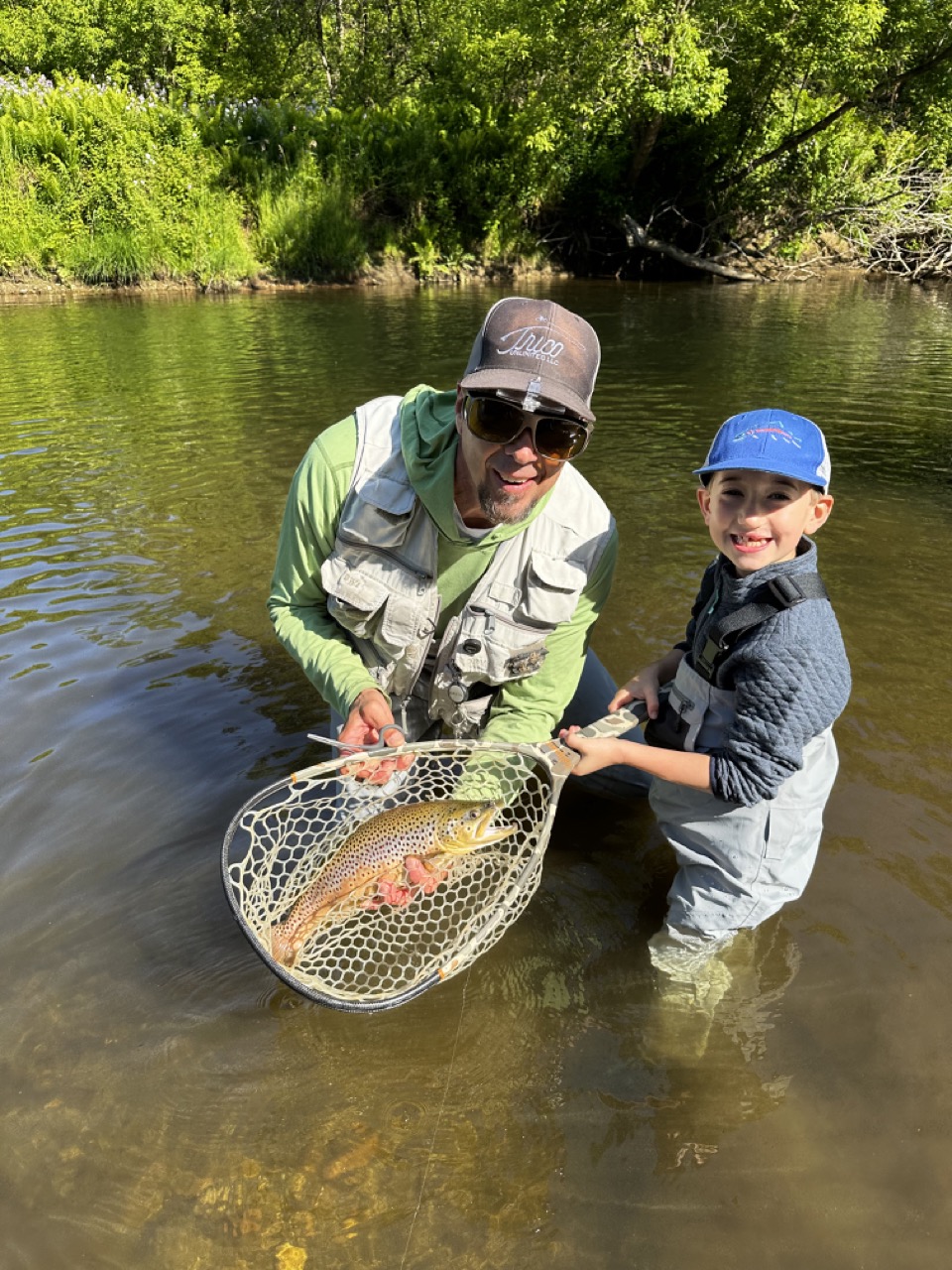
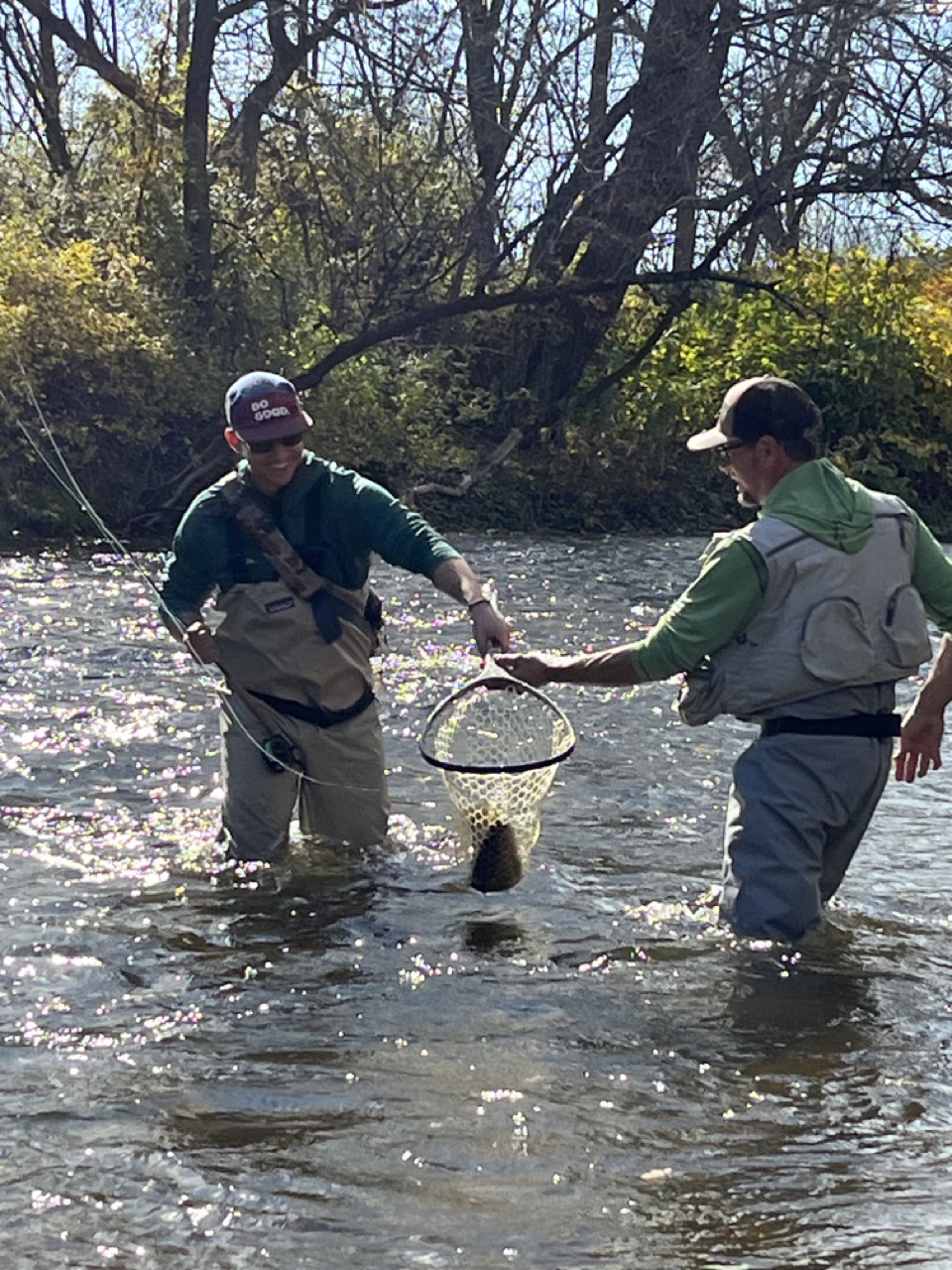
It averages 40-60 feet wide through most of its Vermont fishable water. There are no sprawling flats where multiple boats can work simultaneously. There are no deep pools that hold fifty fish. Most productive lies hold one to three trout at a time. When those fish are spooked—by a clumsy approach, a false cast flashing overhead, or a boat pushing through—they’re gone for hours, sometimes the day.
This means timing becomes critical. The window between early morning, when fish are actively feeding, and mid-morning, when the sun hits the water and fish go down, might span ninety minutes. A guide who arrives at 9:00 AM with a client who slept in has already missed most of the opportunity. There’s no backup plan that reliably compensates.
Second, the Battenkill’s hatches are famously technical and inconsistent. Tricos, Blue-Winged Olives, occasional Cahills, sporadic caddis—these aren’t the blanket mayfly emergences that trigger feeding frenzies. They’re sparse, localized, and often depend on weather conditions that shift hour by hour. A guide who doesn’t know which bend holds the morning Trico spinner fall, or which riffle produces Blue-Winged Olives when the temperature drops, cannot manufacture results through effort alone.
Marty recalls a time when massive Light Cahill hatches would bring big browns to the surface in the evening. “Fishing at dark, and after dark with a number 10 or 12 Cahill, or a White Wulff—oh, my God, the fish, the big browns, were just gulping them down. I haven’t seen that in forty years.”
That loss of predictability makes local knowledge even more essential. When hatches were abundant, a guide could find feeding fish almost anywhere. Now, with sparser insect life, knowing exactly where to be and when becomes the difference between a successful day and a frustrated client.
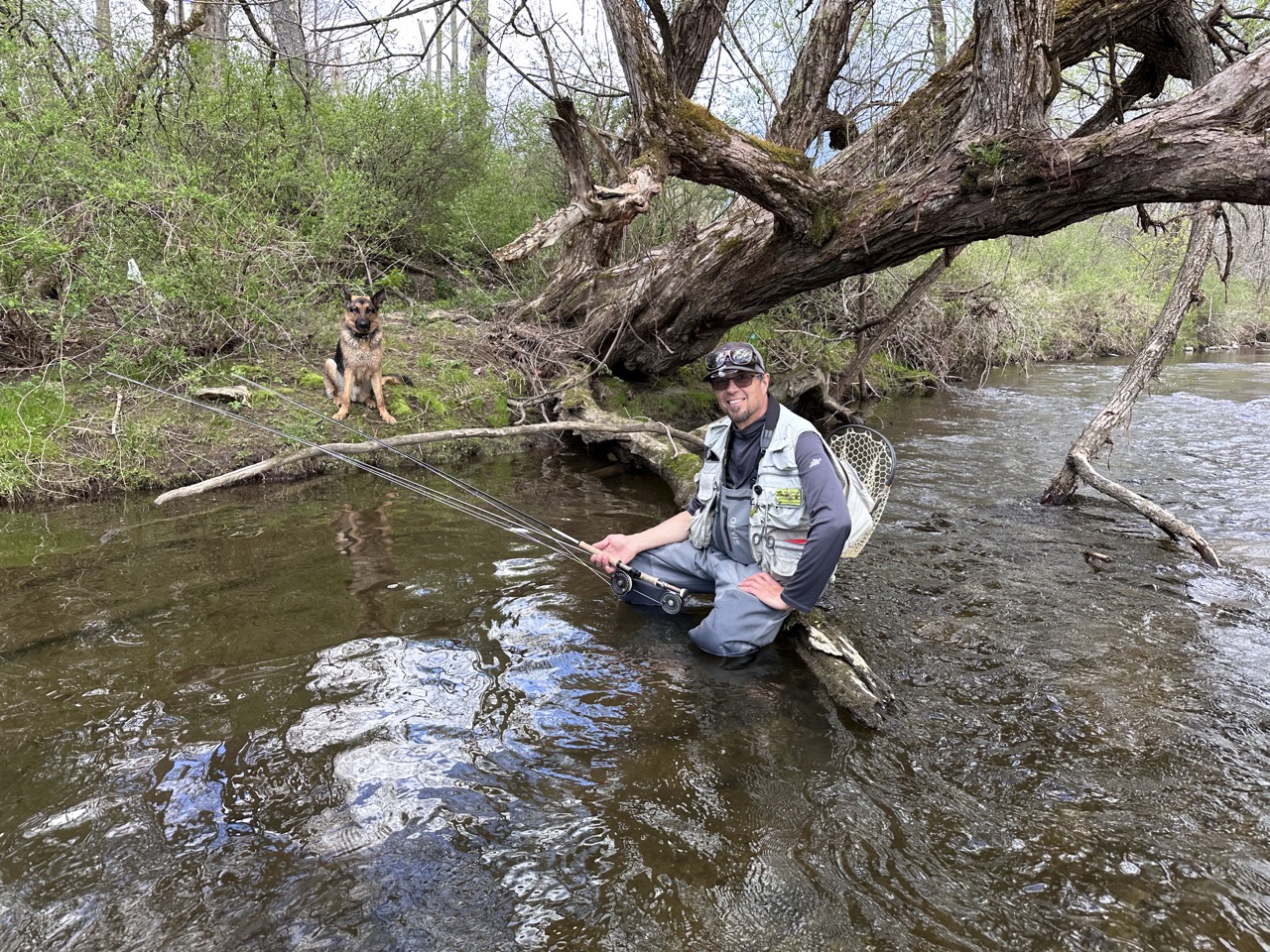
Third, the Battenkill exposes guides who rely on efficiency over expertise. On tailwaters with steady flows and year-round hatches, a guide can run a dozen trips a month using a few reliable patterns and techniques. The Battenkill won’t cooperate. Its flows fluctuate seasonally. Its temperature swings affect fish behavior dramatically. Its structure—undercut banks, complex current seams, boulder-studded pockets—requires reading water with precision. There’s no volume-based path to competence here.
Most importantly, the Battenkill rewards—and in some ways demands—restraint in a manner that conflicts with the economic imperatives of high-volume guiding. When water temperatures climb into the mid-60s Fahrenheit, responsible guides pull clients off the river to avoid stressing fish. When a particular stretch has been fished hard for several consecutive days, knowledgeable guides avoid it entirely. These decisions make biological and ethical sense. They also reduce available fishing time and limit the number of trips a guide can run per season.
A guide operating on an industrial model—maximizing bookings, optimizing search rankings, driving volume through digital marketing—faces constant pressure to fish when conditions are marginal. The river doesn’t abide that approach.
This is why the old apprenticeship model persisted here longer than elsewhere. You couldn’t shortcut your way to competence. You had to spend seasons learning which pools produced in high water, which banks held fish during summer heat, which hatches mattered and which didn’t. You had to develop not just casting skills but judgment—the ability to read conditions and make restraint-based decisions even when those decisions cost you a day’s pay.
As the owner of a guide company myself, I understand the draw of websites, search optimization, social media, booking platforms. These tools reduce friction for building a small business around a beautiful pastime. I’ve felt that temptation myself. What’s harder to see are the costs that follow. Young operators can now skip years of gradual reputation-building, generating visibility without authority, and reach with nothing but marketing savvy and some basic guiding skills. That forces everyone else into a familiar bind: escalate or disappear. The competition becomes a race to the bottom. And like any system under extreme predation, it begins to turn aggressive and ugly.
Those of us making a living on this river face a choice with every client: we can guide newcomers into a culture of restraint, earned knowledge, and accountability to the Battenkill. Or we can maximize bookings and revenue, seeing every customer or student as something to ruthlessly fight over, treating the river as inventory in a business model that financializes wild places.
Which brings us back to the Battenkill ethos. It’s built on restraint. On learning from people who have put in decades, who understand the river’s seasonal subtleties, and who intend to remain accountable to this place for the long term. That ethos is now a choice we make daily, every time someone posts coordinates, every time someone sells access, every time we decide whether the river exists to serve us or whether we exist to serve it. Choose wrong, and the next generation won’t inherit a river culture. They’ll inherit a marketplace with water running through it.
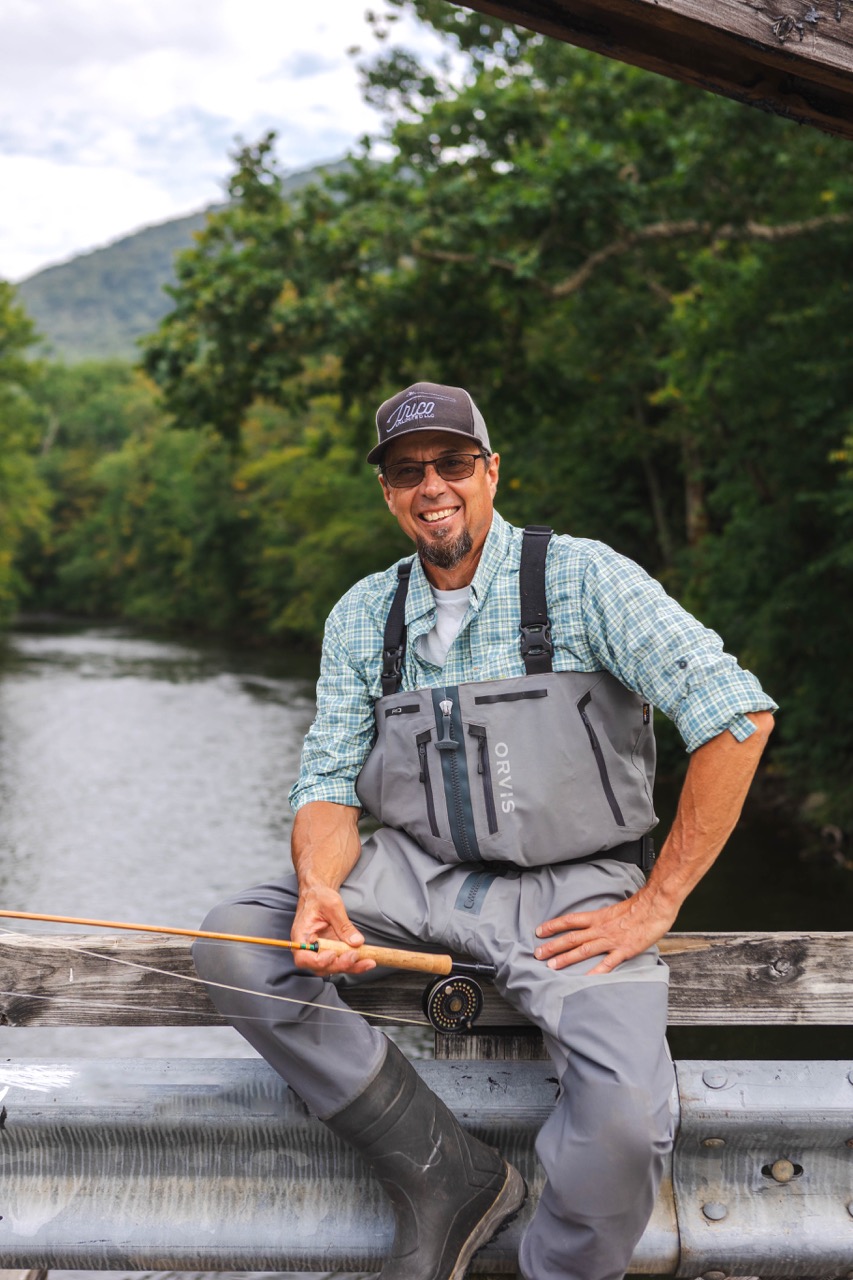
Brew Moscarello is the founder and lead guide at Trico Unlimited in Arlington, Vermont.